
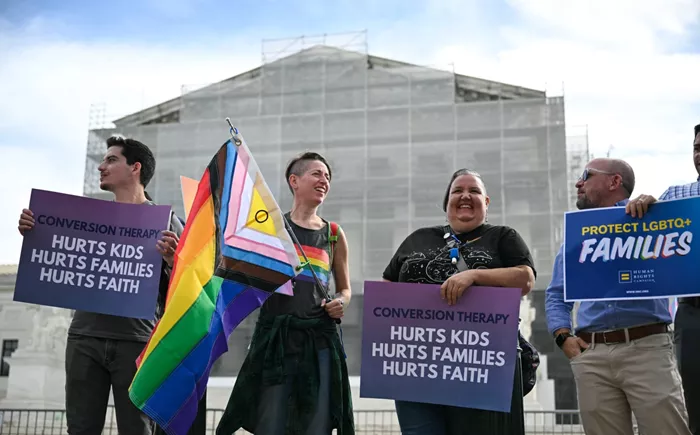
The U.S. Supreme Court is currently examining a contentious case that challenges the constitutionality of Colorado’s ban on conversion therapy for minors—therapy aimed at changing a young person’s sexual orientation or gender identity.
The case, known as Chiles v. Salazar, centers on whether such a ban violates therapists’ First Amendment rights to free speech when offering counseling to LGBTQ youth. This issue hits the intersection of teen counseling, free speech rights, religious beliefs, and the protection of vulnerable minors.
Licensed counselor Kaley Chiles, a Christian therapist, argues that the ban silences her ability to engage in faith-informed counseling with minors seeking to address issues related to sexual orientation or gender identity. She states that her counseling approach is an expression of her religious convictions and that preventing her from discussing these topics infringes on her freedom of speech.
The Colorado law, enacted in 2019, prohibits licensed professionals from attempting to change or suppress a minor’s LGBTQ identity or related behaviors, while exempting unlicensed counselors such as church leaders or life coaches from this restriction.
At the heart of the Supreme Court debate is whether this counseling constitutes protected speech or regulated professional conduct. Colorado contends the ban controls conduct, arguing it regulates harmful medical practices to protect minors.
Conversely, Chiles maintains that her work is purely speech-based, involving talk therapy rather than physical medical procedures, thus deserving heightened First Amendment protections. The conservative-majority court has shown significant skepticism about Colorado’s claims, with justices questioning if the law represents clear viewpoint discrimination by permitting affirming talk while banning exploratory counseling that questions LGBTQ identities.
Liberal justices also expressed concern about the potential for this ban to unfairly suppress certain perspectives. Justice Elena Kagan pointedly noted the stark contrast between affirming a gay identity and talking about changing it as classic viewpoint discrimination. Justice Neil Gorsuch noted the troubling precedent if states could decide which medical or counseling views to endorse, risking future bans on affirming therapies if prevailing opinions shift.
This clash takes place amid growing national debates around gender identity and sexual orientation in teen counseling contexts. Advocates for LGBTQ rights warn that conversion therapy has been widely discredited and linked to serious mental health harms, including increased risks of suicide among LGBTQ youth.
Research indicates conversion therapy, practiced on minors, is associated with significantly heightened rates of suicidal ideation and attempts, underscoring the critical need for protective measures in counseling settings.
On the other hand, proponents of free speech and religious freedom insist that teenage clients should have access to diverse counseling options respectful of their faith and personal beliefs, including those seeking to explore or change aspects of their sexual orientation or gender identity.
They argue a broad ban hampers nuanced therapist-client discussions vital to individualized mental health care and personal autonomy in teen counseling.
The Supreme Court’s ruling will extend beyond Colorado’s law, potentially shaping the legal landscape for all states with similar bans on conversion therapy and influencing the broader debate on free speech rights versus protections for LGBTQ youth in healthcare and counseling settings.
YOU MAY ALSO LIKE
Early Medication and Teen Counseling Key in ADHD Success
Teen Counseling Soars as Viral Shooting Video Exposes Gap in Support
