
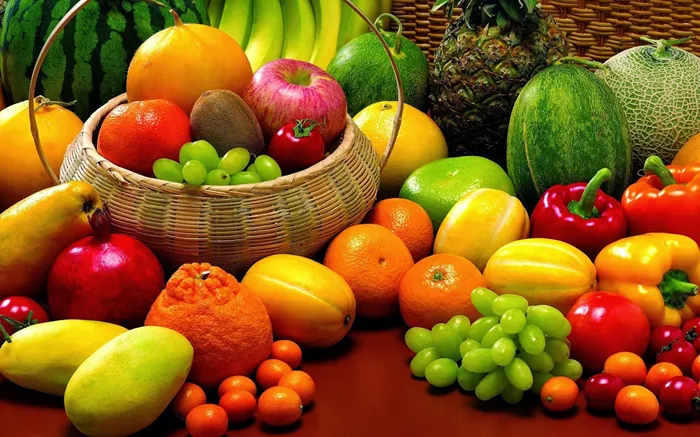
Fruit is not off-limits for people with diabetes, but some fruits can cause rapid blood sugar spikes and should be limited or avoided. Fruits naturally contain sugar but also provide fiber, vitamins, minerals, and antioxidants, which distinguish them from added sugars and make them valuable components of a diabetes-friendly diet. However, careful fruit selection, portion control, and pairing with protein or healthy fats are key to managing blood sugar effectively.
Registered dietitian Amy Kimberlain advises that whole, fresh fruits higher in fiber are preferable because fiber slows down sugar absorption. Pairing fruit with protein or healthy fats, such as nuts, can blunt blood sugar spikes. Despite these guidelines, certain fruits and fruit products are better avoided or eaten in moderation within a diabetic diet.
Fruits and Fruit Products to Avoid or Limit
1. Cranberry Juice Drink
Many cranberry juice drinks contain a high amount of added sugar, sometimes exceeding 30 grams of sugar per 8-ounce serving—more than some sodas. Added sugars in these drinks can cause quick blood sugar spikes and contribute to insulin resistance. Instead, choose 100% fruit juice without added sugar and consume it in small amounts with protein or fat to slow sugar absorption.
2. Dried Pineapple and Other Dried Fruits
Dried fruits like pineapple, banana, mango, cherries, and cranberries often contain added sugars and have concentrated carbohydrates due to water removal. A small serving can equal several portions of fresh fruit, provoking larger blood sugar increases. Limiting dried fruit intake to very small portions (0.5 oz) and pairing them with nuts or other protein sources can help moderate blood sugar.
3. Green Smoothies
While green smoothies can be healthy, they often hide added sugars and fruit juices to mask the bitterness of greens like kale and spinach. Blending breaks down fiber, resulting in faster sugar absorption. Reviewing ingredient labels for added sugars and making smoothies at home allows better control of blood sugar impact.
4. Bananas
Bananas provide fiber and nutrients, but their carbohydrate content varies by size and ripeness. A ripe banana spikes blood sugar more rapidly than a slightly green one. Consuming bananas with nut butter or low-fat Greek yogurt balances their effect on blood glucose levels.
5. Frozen Acai Bowls
Frozen acai often contains added sugars before toppings like honey or granola are added. One acai puree packet may have around 8 grams of added sugar, nearly two teaspoons. Choosing unsweetened acai products helps avoid excessive sugar consumption, which should stay within daily recommended limits.
6. Grapes
Grapes have relatively high sugar content (15 grams per cup) and minimal fiber, making it easy to consume large portions quickly, leading to blood sugar spikes. Portion control and pairing grapes with protein or healthy fats is advised.
7. Canned Fruit Cocktail in Syrup
Canned fruit in heavy syrup contains significant added sugar, sometimes over 44 grams per cup. Draining syrup or selecting canned fruit packed in juice (preferably drained) lowers the sugar content. Fresh or frozen whole fruits are better choices when possible.
Managing Fruit Intake in a Diabetic Diet
Fruit can be an important part of a diabetic diet but should be incorporated mindfully:
- Prioritize whole, fresh fruits with high fiber content.
- Monitor portion sizes carefully to avoid overwhelming blood sugar changes.
- Consider ripeness, as riper fruits generally raise sugar levels faster.
- Pair fruit with protein, healthy fats, or fiber-rich foods to slow digestion and improve blood sugar control.
- Avoid processed fruit products or those with added sugars such as sweetened juices, dried fruit with sugar, and canned fruit in syrup.
- Prepare smoothies at home to control ingredients and avoid hidden sugars.
Following these guidelines can help people with diabetes enjoy the nutritional benefits of fruit without compromising blood sugar management.
YOU MAY ALSO LIKE
Fish Oil Supplements Linked to Lower Type 2 Diabetes Risk in Prediabetics
