
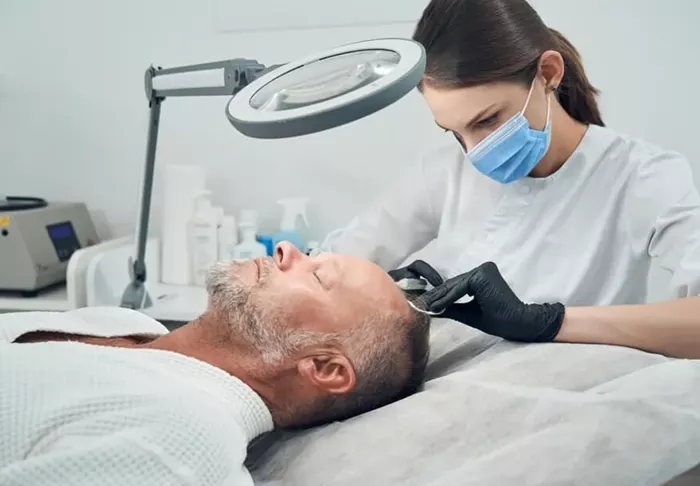
Turkey remains a global hotspot for hair transplantation in 2025, with Istanbul as a central hub offering a blend of advanced technology, experienced surgeons, and patient-centric services.
The country’s appeal lies in providing high-quality hair restoration procedures at comparatively affordable prices, coupled with expert medical teams employing the latest surgical methods such as FUE (Follicular Unit Extraction), Sapphire FUE, and DHI (Direct Hair Implantation). This combination attracts international patients seeking natural-looking, durable results along with comprehensive care throughout the transplant journey.
Turkey’s top hair transplant surgeons focus heavily on artistry, ethical donor management, and long-term strategy rather than mere graft quantity or flashy before-and-after photos. Clinics emphasize personalized consultation processes that consider facial proportions, age-appropriate hairlines, and donor reserve preservation to ensure outcomes that age gracefully and maintain density over years.
Among the most renowned practitioners is Dr. Servet Terziler in Istanbul, noted for his meticulous execution and natural-looking hairline designs. Dr. Terziler uses primarily FUE techniques, often enhanced with sapphire blades for precise channel creation, combined with DHI for ultra-precise graft placement in complex areas. This blend safeguards donor follicles and achieves soft irregularities in hairline shape, ideal for patients prioritizing natural aesthetics and durability.
Other notable surgeons include Dr. Güncel Öztürk of Hairneva Clinic, who integrates his plastic surgery background to blend facial harmony and proper graft management, again utilizing sapphire blade-assisted FUE and DHI techniques.
Dr. Hakan Doğanay in Antalya is recognized for his early adoption of FUE and innovative use of beard hair transplantation to support areas with limited scalp donor availability.
Meanwhile, Dr. Gökay Bilgin of Smile Hair Clinic is highly regarded for creating balanced, believable density and temple transitions, catering especially to international patients. Dr. Aykut Sümer rounds out the top tier with a focus on graft survival, sustainable donor usage, and patient education on realistic expectations and aftercare.
The surgical techniques primarily offered include:
FUE: The standard method involving individual follicular unit extraction via tiny punches, leaving minimal dot-like scars and enabling quick recovery.
Sapphire FUE: An advanced variant using sapphire-tipped blades for finer, uniform incisions that promote cleaner healing and better density management.
DHI: Utilizes implanter pens for direct implantation without pre-made channels, advantageous for dense packing and working around existing hair.
Patients are advised to ask pertinent questions during consultations, such as the planned hairline design, graft distribution across scalp zones, surgeon involvement in each step, punch size used, graft preservation methods, detailed aftercare, and to review cases with similar hair loss patterns for realistic expectations.
Hair transplants in Turkey often include all-inclusive packages covering surgery, accommodations, transportation, medication, and follow-up care, with typical durations of stay around 3-4 days. Post-operative timelines involve initial consultation and surgery on day one, washing and checks over the next days, and hair shedding phases followed by gradual regrowth and maturation over 12-15 months.
Cost-wise, Turkey remains highly competitive, with reputable clinics charging approximately $2,200 to $5,000 for standard packages inclusive of 3,000 to 4,000 grafts. Factors influencing price include the chosen technique, surgeon expertise, graft numbers, and patient-specific complexity. While cheaper options exist, emphasis on thorough donor management and realistic planning protects against costly future repairs due to poor initial outcomes.
This combination of experienced surgeons, cutting-edge methods, transparent communication, and cost efficiency makes Turkey a leading destination for hair transplantation in 2025, attracting patients globally who seek natural, lasting restoration results.
YOU MAY ALSO LIKE
How Hormonal Imbalances in PCOS Affect Skin, Hair, and Total Health
Ultimate Guide to At-Home Laser Hair Removal Devices in 2025
Top Menopause Supplements Women Praise for Fuller Hair Growth
