
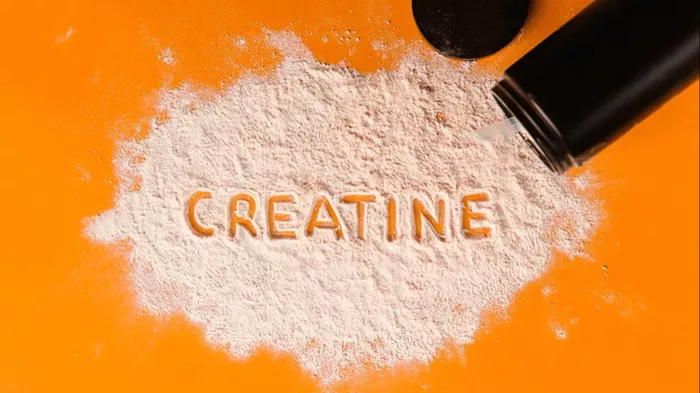
Creatine is one of the most widely researched supplements in the world of sports nutrition. Known for its role in improving strength, endurance, and recovery, it has become a staple among athletes, bodybuilders, and everyday fitness enthusiasts.
But what exactly is creatine, how does it work, and is it worth taking before or after your workouts? Here’s a closer look at the science, benefits, and safe usage of creatine supplements.
What Is Creatine?
Creatine is a naturally occurring compound made from three amino acids: arginine, glycine, and methionine. About 95% of the body’s creatine is stored in muscles, where it helps produce energy for short, high-intensity activities.
While small amounts of creatine are found in foods like red meat and fish, the body can also make about one gram per day on its own. For people who train regularly, supplementing with creatine can boost muscle stores beyond natural levels, supporting better workout performance.
How Does Creatine Work?
During intense exercise, muscles rely on adenosine triphosphate (ATP) for quick bursts of energy. However, ATP is used up rapidly. Creatine helps replenish ATP, allowing you to sustain effort for longer, lift heavier, and recover faster between sets.
Research consistently shows that creatine can:
Increase strength and power during resistance training.
Support muscle growth by promoting hydration and protein synthesis.
Enhance recovery by reducing muscle fatigue and soreness.
Benefits of Creatine During Workouts
1. Better Exercise Performance
Studies show creatine supplementation can improve performance in high-intensity activities like sprinting, weightlifting, and HIIT training—often by 10–15%.
2. Muscle Growth
Over time, creatine helps increase lean body mass when combined with strength training. The initial weight gain many users notice is due to water retention in muscle cells, which also supports recovery and muscle development.
3. Faster Recovery
By reducing muscle damage and replenishing energy, creatine may help you bounce back quicker after tough sessions, allowing for more consistent training.
4. Increased Training Capacity
With more available energy, creatine allows you to push through extra reps, sets, or sessions per week—leading to long-term fitness progress.
Types of Creatine Supplements
While there are several forms of creatine on the market, not all are equally supported by research:
Creatine Monohydrate – The gold standard: effective, safe, and affordable.
Micronized Creatine – Same as monohydrate but with smaller particles for easier mixing.
Creatine Ethyl Ester & Buffered Creatine – Marketed as easier to absorb, but evidence is limited compared to monohydrate.
Most experts recommend sticking with creatine monohydrate for its proven effectiveness.
When to Take Creatine
Timing isn’t as important as consistency, but two popular options are:
Pre-Workout: Taken 30–60 minutes before exercise for an energy boost.
Post-Workout: May improve recovery and absorption when paired with a carb- and protein-rich meal.
Dosage: Many people start with a one-week “loading phase” of 20 grams per day, then shift to a maintenance dose of 3–5 grams daily. Skipping the loading phase and taking 3–5 grams consistently also works, just more gradually.
Hydration and Diet Tips
Because creatine draws water into muscle cells, it’s important to stay well-hydrated. Pairing creatine with meals that contain carbohydrates and protein may also improve absorption and recovery.
Is Creatine Safe?
For healthy adults, creatine is considered safe when used at recommended doses. Potential side effects are generally mild, such as stomach discomfort if taken in excess.
Important considerations:
People with kidney disease or other health issues should consult a doctor before use.
Stick to high-quality supplements from reputable brands.
Don’t exceed recommended doses.
FAQs
1. Can non-athletes benefit from creatine?
Yes. Some studies suggest creatine may also support brain health, energy levels, and overall exercise recovery.
2. Is creatine only for weight training?
No. While most effective for short, intense activities, it can also benefit certain cardio workouts.
3. Do I need to cycle off creatine?
Not necessarily. Many people take it continuously with no issues.
4. Is creatine safe for women?
Yes. Women can use creatine safely and may see the same strength and recovery benefits as men.
Conclusion
Creatine is one of the most effective and well-studied supplements available. It supports strength, endurance, recovery, and long-term muscle growth when combined with a solid training program, balanced nutrition, and adequate hydration.
If you’re looking for a safe, science-backed way to enhance your workouts, creatine may be worth considering.
YOU MAY ALSO LIKE
