
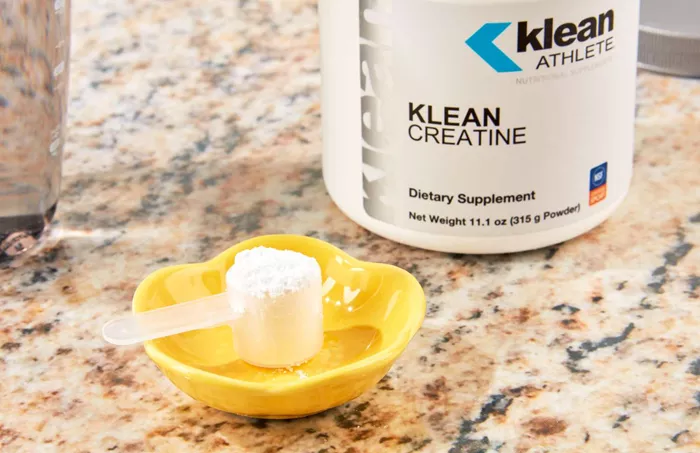
Creatine is a natural substance found in muscle cells that helps produce energy during high-intensity activity. It is also one of the most widely researched dietary supplements. While many people associate creatine with gym performance, its effects go beyond muscle growth and exercise recovery.
Do you need creatine if you’re not working out?
Even without a workout routine, creatine plays a role in energy metabolism, brain health, and cellular protection. Some research suggests it may benefit cognitive function, reduce fatigue, and support overall well-being in certain populations, such as older adults or individuals with neurological conditions.
Potential benefits of creatine outside of fitness
- Brain health: May support memory and mental performance, especially in sleep-deprived individuals.
- Energy support: Could help reduce feelings of fatigue by improving energy production at the cellular level.
- Aging and muscle preservation: May help slow age-related muscle loss, even in those who do not exercise regularly.
Considerations and precautions
While creatine is generally considered safe for most healthy adults, it may not be suitable for everyone. People with kidney disease or those at risk of impaired kidney function should avoid taking creatine without medical guidance.
Additionally, creatine may cause mild side effects such as bloating or digestive discomfort in some individuals, particularly at higher doses.
Should you take creatine if you don’t exercise?
For most people, creatine is most effective when combined with physical activity. However, some non-athletic uses are supported by research, especially in the areas of brain health and healthy aging. Ultimately, the decision should be based on individual health goals and discussed with a healthcare professional.
Bottom line
Creatine isn’t just for athletes. While it provides the greatest benefits when paired with exercise, it may also support brain function, energy levels, and healthy aging in non-active individuals. If you’re considering creatine without a workout routine, consult your doctor first to ensure it’s right for your health needs.
YOU MAY ALSO LIKE
Creatine and Workouts: Benefits, Safety, and Best Practices
How to Boost Testosterone Levels: What Science Shows
New Research Links Weaning to Higher Risk of Postpartum Depression
