
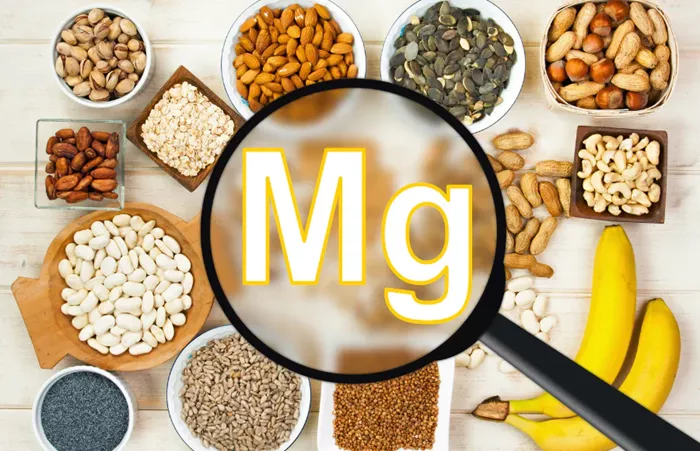
Magnesium is a vital mineral involved in over 300 biochemical reactions in the body. It plays a crucial role in maintaining muscle and nerve function, supporting a healthy immune system, regulating blood sugar levels, and promoting strong bones. Despite its importance, many individuals, especially women, may not be getting enough magnesium through their diet alone.
Magnesium’s Impact on Women’s Health
For women, adequate magnesium intake is particularly important during key life stages such as menstruation, pregnancy, and menopause. During menopause, hormonal changes can lead to increased magnesium requirements. Magnesium helps support hormonal balance, alleviate mood swings, and reduce symptoms like hot flashes and night sweats. Additionally, it plays a role in maintaining bone density, which is crucial as the risk of osteoporosis increases post-menopause.
Magnesium and Sleep Quality
Sleep disturbances are common during menopause, and magnesium may offer relief. Magnesium has been shown to support better sleep by aiding relaxation and regulating the production of melatonin, the hormone responsible for sleep-wake cycles. Incorporating magnesium-rich foods or supplements may help improve sleep quality during this transitional phase.
Choosing the Right Magnesium Supplement
When selecting a magnesium supplement, it’s important to consider factors such as bioavailability, dosage, and potential interactions with other nutrients. Magnesium glycinate is a highly absorbable form known for its calming effects, making it suitable for addressing sleep disturbances and mood swings. Magnesium citrate is another well-absorbed form, often used to support digestive health.
It’s advisable to consult with a healthcare provider before starting any new supplement regimen to determine the appropriate dosage and form of magnesium that aligns with individual health needs.
Magnesium-Rich Foods
Incorporating magnesium-rich foods into the diet can help meet daily requirements. Foods such as leafy green vegetables, nuts, seeds, whole grains, and legumes are excellent sources of magnesium. Including these foods in daily meals can contribute to overall health and well-being.
Conclusion
Magnesium is an essential mineral that supports various bodily functions, particularly during significant life stages like menopause. Ensuring adequate magnesium intake through diet and supplements, when necessary, can help alleviate symptoms and promote overall health. Always consult with a healthcare professional before making changes to your supplement routine to ensure safety and efficacy.
YOU MAY ALSO LIKE
Top Menopause Supplements Women Praise for Fuller Hair Growth
Shropshire Expands Home Care Services to Support Patient Recovery
