
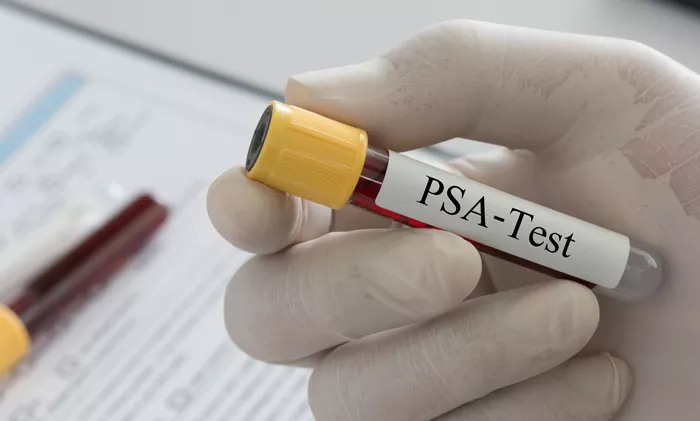
When Christopher Denny went for his annual check-up in February 2022, he expected a clean bill of health. Instead, his Prostate-Specific Antigen (PSA) test came back slightly elevated at 4.65, the first warning sign of a health challenge that would change his life.
“I was moving along merrily. It may not have been anything, but my doctor said I should see a urologist,” Denny recalls. That referral marked the beginning of a two-year journey filled with tests, uncertainty, and critical decisions about his health.
Rising PSA levels and growing concern
Initial scans and biopsies mostly showed benign tissue, yet Denny’s PSA levels continued to climb, reaching 24.5 by July 2024. For context, PSA readings below 4 are generally considered normal, making Denny’s result more than six times higher than the usual threshold. Persistent elevation of PSA is often an early warning sign of prostate cancer and warrants further investigation.
Seeking advanced treatment abroad
After consulting local specialists, Denny opted for a robot-assisted laparoscopic surgery, known as a da Vinci prostatectomy, which was not yet available in Jamaica. Performed in September 2024, the surgery successfully removed his prostate. Within months, Denny’s PSA levels dropped to zero, and they have remained undetectable since.
Recovery was challenging. “I’ll confess that my libido has not returned perfectly,” he admits. “You can have issues that affect you for a very long time. But I’m grateful to be alive and to be able to say the cancer is behind me.”
Using his story to inspire early screening
One year after his surgery, Denny has made it his mission to raise awareness during Prostate Cancer Awareness Month. He emphasizes the importance of screening, particularly for Black men, who statistically face a higher risk of developing aggressive forms of prostate cancer.
“I have a close friend who was a medical doctor,” Denny shares. “He was diagnosed with early prostate cancer in his 30s and nearly lost his life, despite having access to the best medical care. This shows early detection can be lifesaving.”
Lifestyle factors and prevention
Denny reflects on his own lifestyle, acknowledging that dietary choices and obesity likely contributed to his diagnosis. “I had no symptoms, but I want to live a life of example for my children and community, emphasizing healthy habits,” he says.
He encourages men to take advantage of modern screening technology. “The technology is available and affordable. We should not allow hang-ups about doing a digital test or a PSA to prevent us from knowing our situation,” Denny stresses.
Support and accessibility through the National Health Fund
Denny credits the National Health Fund (NHF) in Jamaica for helping manage the financial burden of ongoing care. While he did not have an NHFCard at the time of his surgery, he now uses it to subsidize prescription medications and annual PSA tests. The NHFCard provides support for a wide range of treatments, making healthcare more accessible to men across the country.
Key takeaways for men’s health
Christopher Denny’s journey highlights the critical role of PSA testing in detecting prostate cancer early, especially for high-risk individuals. His experience demonstrates that even asymptomatic men can harbor serious health conditions, and timely screening can save lives.
Related topics
Former Wildcat Advocates for PSA Test After Early Prostate Cancer
