
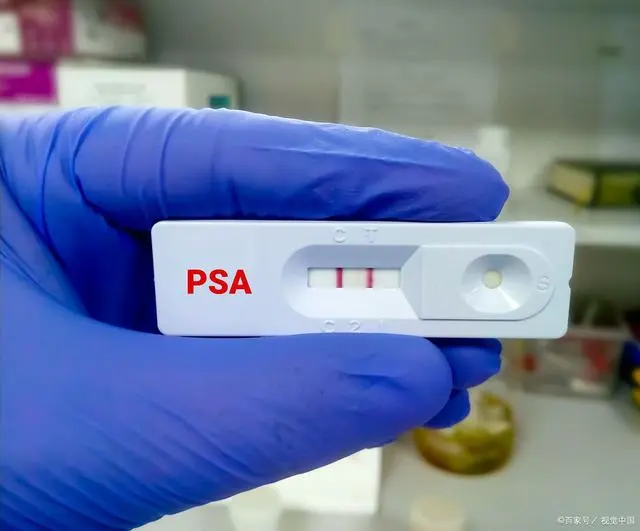
A recent large-scale study examined more than 11,000 men in the Prostate, Lung, Colorectal, and Ovarian (PLCO) cancer screening trial to assess changes in prostate-specific antigen (PSA) levels over time. The study found that about one quarter of elevated PSA results (≥ 2.5, 3.0, or 4.0 ng/mL) dropped below biopsy thresholds the following year. Moreover, more than half of men with at least one elevated PSA level experienced normalization upon retesting.
Study Methodology
PSA testing has limitations due to its variability and limited specificity, often leading to unnecessary prostate biopsies. Current guidelines recommend repeat PSA testing before biopsy, but the benefit is not consistent for all patients.
Researchers analyzed data from 11,176 men with annual PSA testing over six years (1995–2006) who were not diagnosed with prostate cancer during the study and had at least two PSA measurements taken one year apart.
The study measured:
- The likelihood of an elevated PSA falling below the biopsy threshold the next year (PSA-level analysis).
- The percentage of patients with at least one elevated PSA who showed such a drop during follow-up (patient-level analysis).
Three biopsy thresholds were examined: 2.5, 3.0, and 4.0 ng/mL. The study also used logistic regression to evaluate predictors including current PSA level and prior PSA results above or below the threshold.
Key Findings
- 22% of PSA test results ≥ 2.5 ng/mL decreased below this threshold the following year; this increased to 25% and 30% for thresholds of 3.0 and 4.0 ng/mL, respectively.
- 54% of men with at least one elevated PSA ≥ 2.5 ng/mL had subsequent PSA normalization; rates rose to 58% and 62% for higher thresholds.
- A multivariable model accurately predicted PSA normalization, with area under the curve > 0.78.
- Men with persistently elevated PSA above biopsy thresholds had a low chance (< 10%) of normalization and may proceed directly to diagnostic evaluation without repeat testing.
Clinical Implications
The study highlights significant intraindividual variability in PSA levels, supporting guideline recommendations to confirm elevated PSA results before biopsy. Patients with prior PSA scores consistently above biopsy thresholds and no recent normalization may avoid repeat testing and move directly to diagnostic procedures.
YOU MAY ALSO LIKE
