
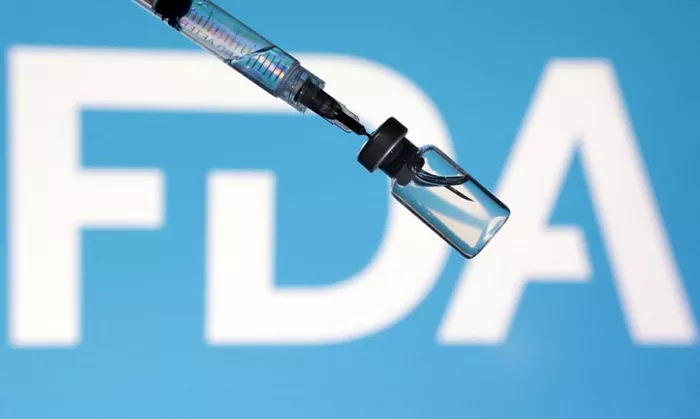
A recent recommendation from the FDA’s advisory panel could change how millions of women approach menopausal hormone therapy (MHT), also known as hormone replacement therapy (HRT). The panel suggested revising—or even removing—the longstanding “black box” warnings on certain treatments, particularly local (vaginal) estrogen products.
Why Warnings May Be Outdated
The current black box warnings, which highlight potential risks such as cancer and cardiovascular disease, were designed for systemic hormone therapies. Experts now say these warnings may be unnecessarily fear-inducing for many women, especially those using local estrogen treatments like vaginal creams or inserts.
“These warnings haven’t kept pace with the science,” said Dr. Jila Senemar, a women’s health specialist. “Local estrogen therapies are much safer than systemic ones, and accurate information can empower women to make better choices about their care.”
Personalized Approach to Menopause Care
If the FDA adopts the panel’s recommendations, it could signal a shift toward more personalized menopause care. Instead of a universal warning, providers could discuss the specific risks and benefits of each therapy based on a woman’s health history.
“The goal is to stop scaring women away from safe and effective treatments,” Dr. Senemar explained. “Women deserve to know the true risks and benefits so they can make informed decisions.”
Access to Trained Providers Remains a Challenge
Dr. Senemar also highlighted a gap in menopause care: not enough doctors are trained to guide patients through hormone therapy safely. However, she noted new resources, including online directories and virtual care options, are helping women connect with qualified providers more easily.
What This Means for Women
For women navigating menopause, updated HRT guidance could improve quality of life by reducing stigma, increasing confidence in treatment, and encouraging more healthcare providers to specialize in menopause care.
“Every woman deserves options that are safe, effective, and grounded in current science,” Dr. Senemar said. “This is long overdue.”
YOU MAY ALSO LIKE
What Is The Best HRT For Postmenopausal: A Simple Guide
