
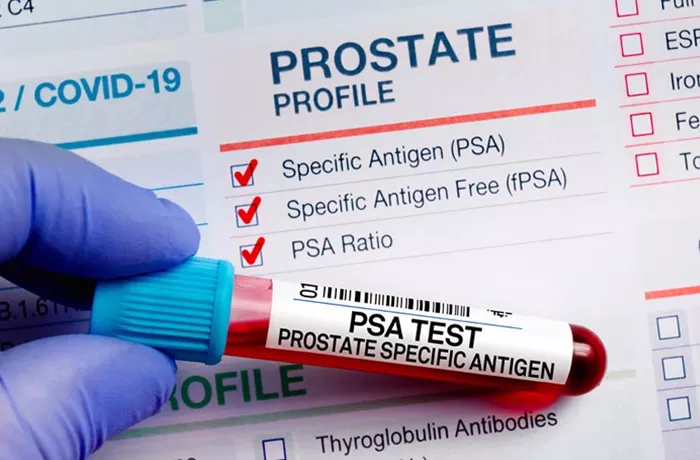
A PSA test is a simple blood test used to screen for prostate cancer and monitor prostate health. It measures the level of prostate-specific antigen (PSA), a protein produced by the prostate gland. Elevated PSA levels may indicate prostate cancer or other prostate conditions, such as inflammation or benign enlargement.
What Is a PSA Test?
The PSA test checks the amount of PSA in your blood. While all prostate tissue produces PSA, cancerous tissue tends to make more. Doctors often combine a PSA test with a digital rectal exam (DRE) for a more complete assessment.
Normal PSA Levels by Age
PSA levels naturally rise as men get older. Healthcare providers measure PSA in nanograms per milliliter (ng/mL). Normal and abnormal ranges are:
Age 40–50
Normal PSA: 0–2.5 ng/mL | High PSA: >2.5 ng/mL
Age 50–60
Normal PSA: 2.5–3.5 ng/mL | High PSA: >3.5 ng/mL
Age 60–70
Normal PSA: 3.5–4.5 ng/mL | High PSA: >4.5 ng/mL
Age 70–80
Normal PSA: 4.5–5.5 ng/mL | High PSA: >5.5 ng/mL
Who Should Get a PSA Test?
– Men 50 and older are usually recommended to get a PSA test every 2–3 years.
– Men at high risk—including Black men or those with a family history of prostate cancer—may start testing at age 40.
– PSA tests are also used to monitor treatment or check for cancer recurrence.
Preparing for a PSA Test
Certain factors can temporarily affect PSA levels. Before your test, tell your provider if you:
– Take medications like finasteride (Proscar®, Propecia®) or dutasteride (Avodart®)
– Had recent prostate surgery, biopsy, or urinary catheter use
– Have a urinary tract infection (UTI) or liver condition
Tips for accurate results: Avoid sexual activity and vigorous exercise for 48 hours before the test.
During the Test
The PSA test is a blood draw, typically done from a vein in your arm. The procedure takes just a few minutes. Afterward, a bandage is applied, and you may be advised to rest briefly.
After the Test
– Keep the bandage on for a few hours.
– Drink fluids and avoid strenuous activity for a few hours.
– Minor bruising or discomfort at the needle site is normal.
Risks and Limitations
– Other conditions, such as BPH or prostatitis, can raise PSA levels.
– Some prostate cancers don’t increase PSA, so a normal test doesn’t guarantee you are cancer-free.
– Mild side effects from the blood draw, including dizziness or bruising, may occur.
Understanding PSA Results
– PSA levels are not a definitive cancer diagnosis.
– 4–10 ng/mL: ~25% chance of prostate cancer
– >10 ng/mL: >50% chance of prostate cancer
If PSA is elevated, your provider may recommend:
– Imaging tests: MRI or ultrasound
– Prostate biopsy: The only way to confirm cancer and determine its stage
You usually receive results within a week.
Signs of Prostate Cancer
Early prostate cancer often has no symptoms. Later stages may cause:
– Urinary changes (weak flow, urgency, burning)
– Blood in urine or semen
– Lower back, hip, or bone pain
– Erectile dysfunction or painful ejaculation
– Unexplained weight loss
Tips for Supporting Prostate Health
While you can’t guarantee lower PSA levels, lifestyle choices may help:
– Eat lycopene-rich foods like tomatoes and watermelon
– Consider a plant-based diet with lots of vegetables and legumes
– Ensure adequate vitamin D from sun exposure, fortified foods, or supplements
– Exercise regularly, including walking, jogging, or strength training
Key Takeaways
A PSA test is a valuable tool for monitoring prostate health. Men 50 and older, or those at higher risk, should discuss regular screening with their healthcare provider. Accurate testing depends on following pre-test instructions and reporting medications or recent procedures. Early detection improves treatment options, so don’t hesitate to ask your provider about a PSA test.
YOU MAY ALSO LIKE
