Breakthrough Urine Test Offers Noninvasive Alternative to PSA Test for Prostate Cancer
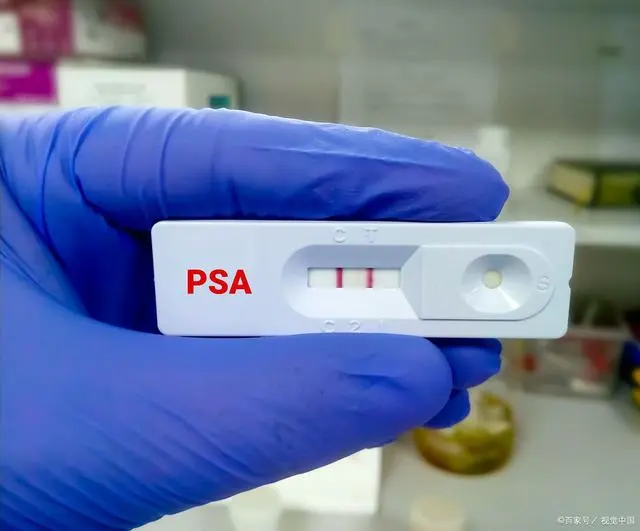
Researchers from Johns Hopkins Kimmel Cancer Center, Johns Hopkins All Children’s Hospital, and several partner institutions have unveiled a promising urine-based diagnostic test for prostate cancer. This innovative approach leverages biomarkers found in urine to accurately identify the disease, potentially reducing the need for invasive biopsies that have long been the standard following abnormal results from the commonly used PSA (prostate-specific antigen) blood test.
The study, partially funded by the U.S. National Institutes of Health and supported by organizations including the International Prostate Cancer Foundation and the Maryland Innovation Initiative Grant, analyzed urine samples from both prostate cancer patients and healthy individuals. Researchers identified three key biomarkers—TTC3, H4C5, and EPCAM—that proved effective in detecting prostate cancer. These biomarkers were present in patients prior to prostate-removal surgery but were nearly undetectable after surgery, confirming their origin in prostate tissue.
Senior study author Ranjan Perera emphasized the potential impact of this discovery: “This new biomarker panel offers a promising, sensitive, and specific noninvasive diagnostic test for prostate cancer. It has the potential to accurately detect prostate cancer, reduce unnecessary biopsies, improve diagnostic accuracy in PSA-negative patients, and serve as a foundation for laboratory-developed and in vitro diagnostic assays.”
Currently, prostate cancer is most often detected through blood tests measuring PSA levels. Elevated PSA can prompt biopsies to confirm diagnosis; however, many biopsies turn out negative and may lead to complications or unnecessary treatment—especially in cases involving low-grade cancers. The newly developed urine test not only detects prostate cancer even when PSA levels are normal but also distinguishes between malignant conditions and benign issues such as prostatitis or benign prostatic hyperplasia (BPH).
Study co-author Vipul Patel highlighted the clinical benefits: “This test has the potential to help physicians improve diagnostic accuracy of prostate cancer, reducing unnecessary interventions while allowing early treatment for those who need it. On behalf of physicians and patients globally, I advocate for further study and progress for these biomarkers.”
Rigorous Validation Points Toward Clinical Application
To ensure reliability, researchers examined an initial set of 341 urine samples followed by an additional 1,055 samples for test validation. Advanced techniques such as RNA sequencing and quantitative PCR (qPCR) were employed to analyze gene expression levels. Immunohistochemistry and robust statistical methods confirmed that out of 815 initially identified prostate-specific genes, TTC3, H4C5, and EPCAM stood out as the most effective biomarkers for future analysis.
Results showed significantly higher expression of these biomarkers in cancer patients compared to healthy individuals. Importantly, their presence diminished post-surgery—a strong indication of their link to prostate tissue rather than other sources.
Looking ahead, independent trials are planned to further validate this test’s efficacy before it is introduced into clinical settings. The team has filed a patent for the technology and is actively working with Johns Hopkins Technology Ventures toward commercialization. Study co-author Christian Pavlovich noted: “There is a real need for non-PSA-based biomarkers for prostate cancer, and urine is quite easy to collect in the clinic. Most urologists feel that an accurate urinary biomarker would be a valuable addition to our current diagnostic armamentarium.”
This advance represents a significant stride toward more precise, less invasive prostate cancer diagnosis—potentially transforming how physicians screen for and manage this common disease.
YOU MAY ALSO LIKE
Prostate Cancer Awareness: Why a PSA Test Could Save Your Life
Bridgnorth Hosts Large PSA Testing Event to Fight Prostate Cancer
PSA Test Key to Guiding Prostate Cancer Care and Treatment Decisions