
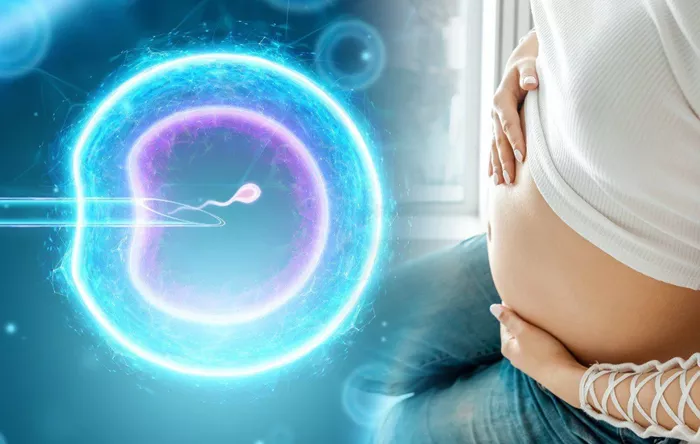
A recent study offers new evidence that cannabis use may pose risks to women undergoing in vitro fertilization (IVF) by affecting the health of eggs and embryos. While the findings don’t prove that cannabis causes fertility problems, they suggest caution for those trying to conceive via IVF.
THC and its presence in follicular fluid
Researchers measured levels of tetrahydrocannabinol (THC) — the psychoactive component in cannabis — and its breakdown products (metabolites) in follicular fluid, the liquid surrounding developing egg cells (oocytes).
Association with egg maturation speed
The study found that higher levels of THC in follicular fluid correlated with faster maturation of oocytes in IVF patients. On the surface, faster egg maturation might seem good — but rapid maturation can overlook critical developmental checks, potentially reducing egg quality.
Chromosomal abnormalities and embryo quality
Eggs exposed to THC showed increased rates of chromosome segregation errors and abnormalities in the structure that ensures correct chromosome division (the spindle). In IVF cycles, fewer embryos were “euploid” (having the normal number of chromosomes) among patients whose follicular fluid tested positive for THC. Euploid embryos are more likely to successfully implant and lead to healthy pregnancies.
In vitro (lab) evidence backs up clinical data
The researchers didn’t just rely on IVF patient data. They also exposed immature human eggs in the lab to THC at levels similar to those found in patients. These lab experiments mirrored the clinical findings: faster maturation, but more chromosome errors and abnormal spindle formation.
What the Study Does Not Show (Limitations)
Causation vs correlation: The research shows association — that higher THC levels correlate with certain risks — but doesn’t prove that cannabis use causes lower IVF success. Other factors (age, lifestyle, dosage, frequency, method of consumption) could also play a role.
Limited detail on cannabis use: The study lacked data on how often participants used cannabis, their exact dosage, or the method (smoking, vaping, edibles). These details could affect how significant the risks are.
Population studied: All participants were people undergoing IVF. It’s unclear whether these findings apply in the same way to those trying to conceive naturally. Also, many of the lab tests used immature egg cells, which are less common in natural conception.
What This Means for IVF Patients & Those Trying to Conceive
Talk to your fertility specialist – If you are undergoing IVF (or planning to), mention any cannabis use. Specialists can help assess risks and counsel on reducing or stopping use during treatment.
Potential guidance for abstinence – Given that even occasional use was linked to measurable changes in egg and embryo quality, avoiding cannabis may offer benefits when trying to conceive via IVF.
Be aware of hidden exposure – Notably, the study found many patients whose follicular fluid was THC-positive had not self-reported cannabis use. That suggests self-report alone may not always reflect true exposure.
Need for more research – To better understand risks, future studies should include more data on dose, frequency, mode of use, and include more varied populations (age, IVF vs natural conception).
Takeaway
This study adds to a growing body of evidence suggesting cannabis, particularly THC exposure, may negatively impact egg and embryo quality in IVF. While it doesn’t definitively show that cannabis causes infertility or IVF failure, it suggests that women undergoing fertility treatments should consider avoiding cannabis to improve odds of success.
YOU MAY ALSO LIKE
Why Caesarean Births Are on the Rise Worldwide
Cannabis Use May Quadruple Risk of Type 2 Diabetes, Large Study Suggests
