
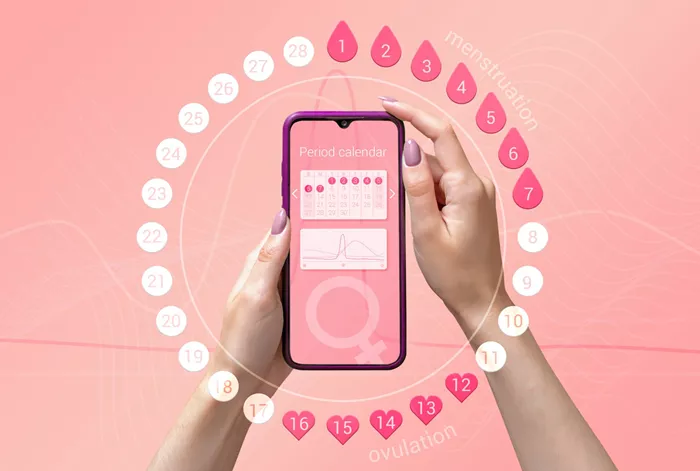
Millions of people use menstruation tracking apps to log periods, predict ovulation, and manage symptoms. But behind the convenience lies a growing concern: how private is this sensitive health information, and what happens if it’s used against users—especially in places where reproductive care is restricted?
Why Menstrual Data Matters
Period-tracking apps are part of the booming “femtech” industry, projected to reach $60 billion by 2027. With over 250 million downloads across just the top three apps, the data they collect—period dates, moods, symptoms, exercise, sexual activity, and even contraceptive use—is a valuable commodity.
“Menstrual tracking apps turn personal health information into data that’s collected, analyzed, and sold,” explains Dr. Stefanie Felsberger of the Minderoo Centre for Technology and Democracy at the University of Cambridge. “That data can then be used to monitor people’s reproductive lives.”
Commercial Use and Third-Party Access
A 2023 investigation by Privacy International tracked how popular cycle apps connect with third parties. While direct sharing of cycle data has decreased since 2019, researchers found that many apps still integrate advertising and analytics software, giving outside companies access to users’ personal or device data.
In short: your menstrual log isn’t just between you and your phone.
Fears of Reproductive Surveillance
Privacy experts warn of even greater risks when reproductive rights are restricted. In states where abortion is banned or limited, data stored in apps—or on cloud servers—could potentially be subpoenaed and used in investigations.
Examples aren’t hypothetical. In Nebraska, Facebook messages were used to prosecute a woman who ended a pregnancy. In the U.K., a woman was sentenced after investigators pulled data from her phone and online history, reportedly including requests for period-tracking information.
Some anti-abortion groups have even launched their own cycle-tracking apps, raising concerns that data collected could be used for political or legal purposes.
The Global Picture
These concerns extend beyond the U.S. In Latin America, where abortion remains criminalized in many countries, researchers found menstrual apps reinforce gender stereotypes and rarely prioritize privacy. Most users don’t read privacy policies and often feel powerless to protect their data.
Are Any Apps Safer?
Some apps are trying to push back. Privacy advocates highlight platforms like Euki, developed by the Digital Defense Fund and Ibis Reproductive Health, which:
- Doesn’t require an account
- Stores data locally on the device
- Is open source and privacy-focused by design
Other apps, including Flo and Period Tracker (GP Apps), have publicly opposed using reproductive data to criminalize abortion.
Still, experts stress that privacy-friendly features remain the exception, not the rule. Stronger regulations and industry standards are needed to ensure menstrual health data is not misused.
What Users Can Do
If you use a menstrual tracking app, here are a few steps to protect your data:
- Choose apps with local storage options rather than cloud-based storage.
- Review privacy settings and limit what personal information you share.
- Stay updated on your state’s reproductive laws if you’re in the U.S.
- Consider alternatives like paper tracking or privacy-focused apps.
Until stricter regulations are in place, protecting sensitive health data often falls on individual users.
YOU MAY ALSO LIKE
8 Common Health Problems Related To Menstruation
