
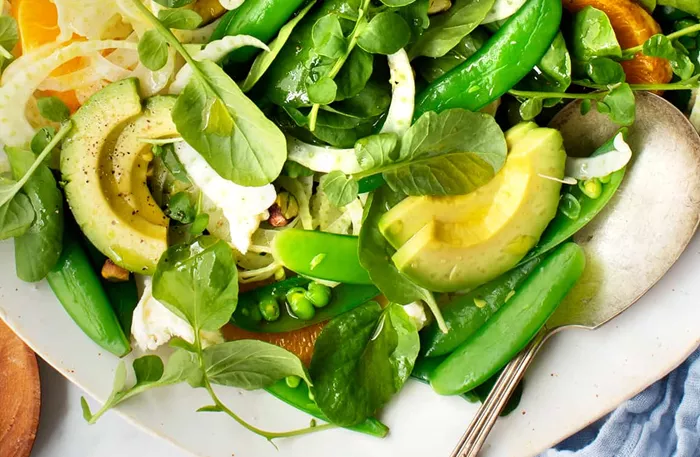
It might not be the first leafy green you reach for at the grocery store, but watercress is earning praise from nutrition experts for its impressive health perks. From supporting heart health to aiding in weight management, this peppery vegetable packs far more than flavor.
Named the “Healthiest Vegetable”
The Centers for Disease Control and Prevention (CDC) recently ranked watercress as the most nutrient-dense vegetable available—beating out spinach, kale, and other superfood favorites. Even better, it’s often cheaper than spinach, typically selling for $3 to $5 for a four-ounce container.
“Watercress offers plenty of benefits that you won’t want to miss out on,” said registered dietitian BreAnn Erickson.
A Cruciferous Powerhouse
Watercress belongs to the cruciferous vegetable family, alongside broccoli, cauliflower, radishes, and kale. Research has linked higher intake of cruciferous vegetables to a reduced risk of cardiovascular disease and certain cancers.
The secret lies in compounds called glucosinolates, which may help protect cells from damage and support long-term health, according to the Cleveland Clinic.
Packed With Nutrients (and Water)
Available in nearly every U.S. state, watercress delivers:
- Vitamin C for immune support
- Vitamin A for eye health
- Vitamin K for bone strength and blood clotting
- Antioxidants that help fight inflammation linked to diabetes, asthma, and other chronic conditions
Another bonus: watercress is 95% water, making it a hydrating choice for those who fall short of daily fluid goals. Most Americans drink just 2.5 cups of water a day—far less than the 11.5 cups women and 15.5 cups men need, according to Harvard Medical School.
A Smart Choice for Weight Loss
At just four calories per cup, watercress is one of the lowest-calorie leafy greens you can add to your plate. By comparison, a cup of mixed greens has about 71 calories, and even spinach and lettuce contain more than double the calories of watercress.
“Watercress is nature’s gift, especially for anyone hoping to lose excess pounds,” said women’s health expert Dr. Ann Louise Gittleman.
Easy Ways to Enjoy It
Watercress brings a peppery kick to meals and works well in:
- Salads and wraps
- Soups and pestos
- Smoothies for extra nutrients
- As a garnish or side for fish, chicken, or other proteins
- Cooking helps mellow its sharp flavor, making it versatile in both raw and cooked dishes.
- The USDA recommends one to two cups of leafy greens daily, including watercress, to reap the full benefits.
Note: Because watercress is high in vitamin K, people taking blood-thinning medications should monitor intake and consult their healthcare provider.
“Watercress may be tiny, but it’s one of the most nutrient-dense foods you can find,” said certified nutritionist Serena Poon.
YOU MAY ALSO LIKE
E. coli infections jump 26% in UK, salad-linked outbreaks young children
Daily Sauerkraut Servings Could Strengthen Gut and Immunity
14 “Healthy” Foods That May Trigger Weight Gain in Women Over 40
