
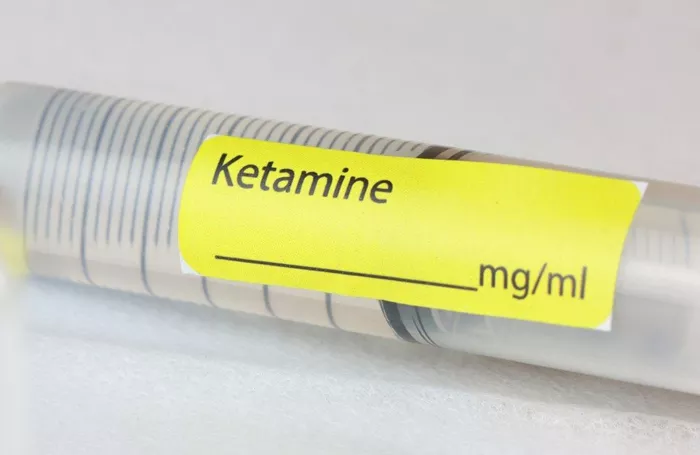
In recent years, ketamine therapy has emerged as a controversial but increasingly sought-after option for teens struggling with treatment-resistant depression. Parents and doctors alike are cautiously exploring the therapy when traditional medications and talk therapies fail.
Jacintha, a mother from Washington State, faced a heart-wrenching dilemma. Her 16-year-old daughter, Lucy, had battled depression, obsessive-compulsive disorder, and post-traumatic stress disorder for years, enduring multiple antidepressants and intensive therapy programs without relief.
Desperate for a solution, Jacintha discovered ketamine therapy, previously known primarily as a veterinary anesthetic, as a potential lifeline.
“Any parent who sees their child suffering as intensely as Lucy was would want to try every possible option,” Jacintha says, emphasizing the careful consideration and medical oversight involved in their decision.
Ketamine therapy involves low-dose infusions that stimulate neural plasticity, helping the brain adapt and respond in ways standard antidepressants may not. Studies and clinical experience suggest it can provide rapid symptom relief, particularly for individuals with treatment-resistant depression.
Yale School of Medicine Chair of Psychiatry John Krystal notes, “The detrimental effect on a developing brain from untreated severe depression is far greater than the risk of controlled, sporadic ketamine dosing.”
Lucy began a 12-session ketamine infusion program at the Northwest Ketamine Clinic in Bellevue, Washington, in April 2023. Early sessions were challenging, with mood swings and disorientation, but by the seventh infusion, she experienced significant improvement. She now reports reduced self-harm tendencies, diminished OCD triggers, and overall higher daily functioning.
Laura Pickard, 23, also credits ketamine therapy with helping her navigate depression and profound grief after losing both parents. “Before ketamine, everything required five times the effort. After treatment, I regained energy and motivation to live,” she recalls.
Despite promising outcomes, medical experts urge caution. Dr. Ryan Sultan, a psychiatrist specializing in ketamine therapy, highlights the lack of extensive research on adolescents: “The younger the brain, the greater the potential for unintended effects. Ketamine should remain a last-resort intervention for teens.”
Short-term side effects may include dizziness and nausea, while long-term heavy use has been linked to memory problems and other complications. Clinics offering ketamine therapy vary in quality and safety, and insurance rarely covers the treatment, leaving families to pay out of pocket.
Lucy continues to receive maintenance sessions combined with ongoing therapy and medications. She and her mother acknowledge ketamine is not a cure-all but believe the benefits outweigh the risks. “When a child is in acute mental anguish, clinging to hope is all you have,” Jacintha says.
Ketamine therapy remains a delicate, highly monitored option for families facing severe adolescent depression, offering a potential lifeline where conventional treatments have failed.
YOU MAY ALSO LIKE
Esketamine Shows Rapid Sleep Benefits in Treatment-Resistant Depression
FDA Grants Approval for Ketamine-Based KETARx in Surgical Pain Care
