
The Overlooked Impact and Challenges of Perimenopause
Perimenopause, the transitional phase preceding menopause, is often dismissed or misunderstood, yet it profoundly affects millions of women worldwide. Characterized by unpredictable hormonal fluctuations—primarily in oestrogen, progesterone, and testosterone—this stage can last up to a decade and brings a spectrum of symptoms. These include anxiety, difficulty concentrating, night sweats, mood swings, migraines, heart palpitations, and urinary tract infections. The physical and emotional toll is considerable; many women report feeling like strangers to themselves as they navigate these changes.
The social impact of perimenopause is equally significant. Surveys reveal that one in four women have considered leaving their jobs due to menopausal symptoms. In the United States alone, menopause-related issues cost the economy an estimated $1.8 billion annually through reduced working hours and early retirement. Despite its prevalence—affecting half the population at some point—perimenopause remains undervalued in medical discourse and workplace policy. Dr. Cristina Del Toro Badessa, an Atlanta-based physician specializing in hormonal health, notes that women often juggle caring for children and aging parents while neglecting their own wellbeing during this critical life transition.
Evidence-Based Treatments: Hormone Replacement Therapy and Beyond
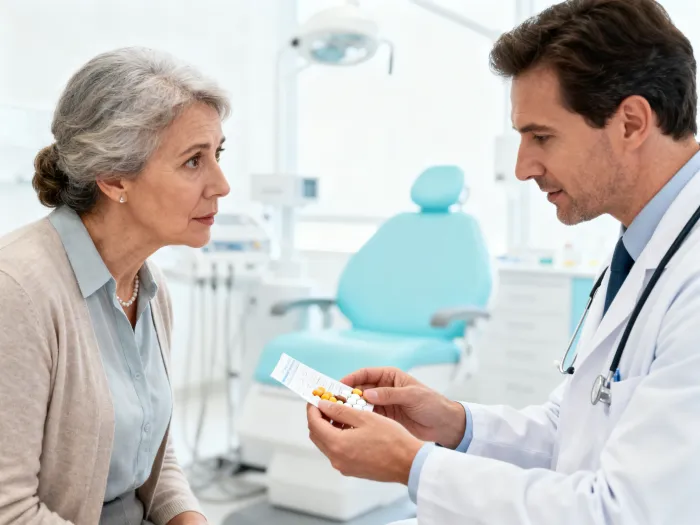
Medical science has made strides in understanding perimenopause and developing effective treatments. Hormone replacement therapy (HRT) stands as the first-line option for women over 40, as endorsed by the UK’s National Institute of Health and Care Excellence (NICE). HRT mitigates symptoms by supplementing declining hormones, reducing risks of cardiovascular disease and bone fractures, and potentially supporting brain health. Research suggests oestrogen plays a vital role in regulating glucose metabolism; its loss may contribute to fatigue and forgetfulness during perimenopause. Emerging evidence even points to possible protective effects against Alzheimer’s disease.
However, HRT is not without controversy. Early 2000s studies linked it to increased risks of breast cancer, heart attacks, and strokes, leading to a dramatic decline in usage—especially in the US. Later analysis clarified these findings: risks vary based on age at initiation and duration of use. For example, women under 60 who use HRT for less than five years do not see a long-term increase in breast cancer risk after stopping treatment. The British Menopause Society highlights that combined HRT causes ten additional breast cancer diagnoses per 1,000 women aged 50–59—a risk comparable to those associated with obesity or heavy alcohol consumption.
For those unable or unwilling to use HRT—such as women with lupus or a history of blood clots—researchers are exploring highly selective oestrogen receptor drugs targeting only receptors linked with protective effects. This approach could offer safer alternatives in the future. Additionally, NICE recommends cognitive behavioural therapy (CBT) as another frontline intervention; clinical trials demonstrate that CBT can effectively reduce hot flushes and night sweats.
Drug innovation continues apace: In 2023, fezolinetant became the first non-hormonal medication approved by the US FDA for hot flushes. It blocks NK3 receptors in the brain responsible for regulating body temperature—a mechanism overactive in low-oestrogen environments. While effective, fezolinetant faces challenges such as high cost and limited insurance coverage, alongside requirements for liver monitoring due to potential side effects. The UK recently approved elinzanetant, which targets both NK1 and NK3 receptors; early trials show promise in reducing hot flushes and sleep disturbances without liver toxicity.
Nutrition, Supplements, and the Microbiome: Supporting Wellness Through Lifestyle Choices
Medical interventions are only part of the equation; lifestyle adjustments can also support women through perimenopause. Nutrition experts increasingly advocate for higher protein intake during this stage to counter accelerated bone and muscle loss driven by hormonal changes. Arthur Conigrave’s research at the University of Sydney found that insufficient dietary protein prompts increased appetite as the body attempts to restore balance—often resulting in weight gain if overall food intake rises instead of protein proportion.
Women may benefit from increasing daily protein by approximately 0.1–0.2 grams per kilogram of body weight during perimenopause—a manageable change equivalent to an extra large egg or cup of edamame for someone weighing 70 kg (155 lbs). Such dietary tweaks can help preserve muscle mass and bone density while addressing unexplained weight gain.
Supplements enjoy widespread popularity online but rarely live up to their promises. A comprehensive review found only black cohosh (Cimicifuga racemosa) had robust evidence supporting its efficacy in reducing anxiety, irritability, and heart palpitations; even so, safety remains uncertain. Vitamin B6 can alleviate hot flushes and cognitive symptoms by supporting nervous system health, while adequate vitamin D intake guards against low mood and immune challenges. However, as Dr. Louise Newson emphasizes, supplements cannot substitute missing hormones nor confer HRT’s long-term benefits such as reduced cardiovascular disease or diabetes risk.
Growing interest surrounds the role of the microbiome during menopause. Recent studies suggest probiotics may improve bone health, psychological wellbeing, hot flushes, and vaginal dryness among perimenopausal women—but methodological flaws mean more rigorous research is needed before firm recommendations can be made.
Exercise Recommendations and Navigating Misinformation: Building Strength Amidst Uncertainty
Physical activity remains a cornerstone of perimenopausal wellness—but what type works best? Reviews spanning seven years confirm that strength training enhances muscle mass, bone density, and metabolic health during perimenopause. Yet it remains unclear whether resistance workouts outperform aerobic exercise like running or cycling; variety is likely key to optimizing outcomes for both physical function and mental resilience.
Women should approach social media advice with caution: despite regulatory efforts to curb misinformation about perimenopause treatments—from fad diets to unproven supplements—the landscape still resembles a “Wild West.” Until more research funding targets female-centric conditions like perimenopause, reliable information will be hard-won.
Ultimately, navigating perimenopause demands both evidence-based medical guidance and proactive lifestyle strategies. With growing awareness among healthcare professionals—and empowered choices around therapy, nutrition, supplementation, exercise—women can transform this challenging transition into an opportunity for renewed strength and wellbeing.
