
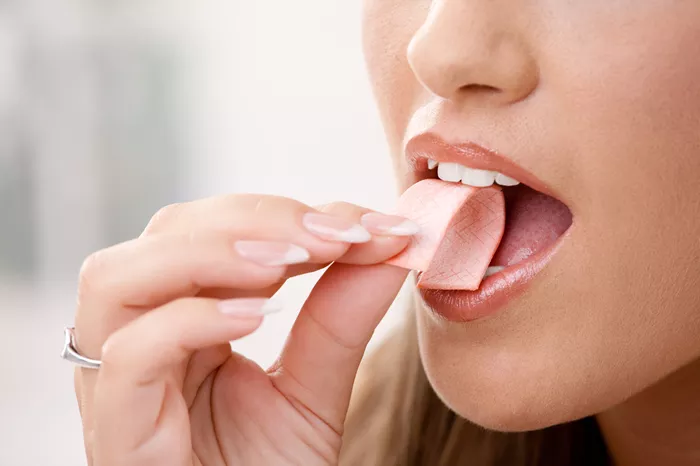
Chewing gum, long recognized for supporting oral health, may also hold wider health benefits ranging from stress relief to post-surgical recovery, according to a new review published in Nutrients.
Ancient habit, modern research
The practice of chewing gum dates back to ancient civilizations such as the Egyptians and Mayans, who used natural resins. Modern gum emerged in the 19th century with the introduction of chicle, a latex derived from the sapodilla tree.
Today, gum is defined as a non-digestible, flavored, and often sweetened substance that promotes salivation, reduces tooth decay when made with non-fermentable sugars like xylitol, and freshens breath. But its uses are expanding well beyond oral health.
From nicotine gum to aid smoking cessation, to caffeinated gum for boosting athletic performance, and even therapeutic uses after surgery, gum is increasingly being studied for its potential role in public health.
Mapping the evidence
Researchers analyzed 260 studies drawn from five major databases. These included randomized controlled trials, reviews, and surveys examining various gum types—ranging from sugar-free and xylitol-based gums to those containing nicotine, caffeine, or other bioactive compounds.
Most of the studies originated in the U.S. and China, with a surge in publications between 2015 and 2024. The analysis revealed three broad areas where gum use showed potential: improving well-being and performance, serving as a medical aid, and aiding recovery after surgery.
Boosting performance and mood
Sports-related studies highlighted the benefits of caffeinated chewing gum. Athletes reported reduced fatigue, faster reaction times, improved endurance, and enhanced strength. Other studies found gum use linked to reduced anxiety, improved mood, and better mental processing.
A tool in medicine
Nicotine gum remains a proven aid in smoking cessation, both as a standalone method and in combination with other nicotine replacement therapies. Additional studies reported gum’s use in easing thirst in dialysis patients, supporting diabetes management during pregnancy, and even reducing discomfort during childbirth.
Emerging research also explored gum in conditions such as Alzheimer’s disease, ADHD, and certain heart disorders, though evidence remains limited.
Supporting surgical recovery
The strongest evidence came from post-operative studies. Chewing gum helped restore gut motility, reduce nausea, and shorten hospital stays after abdominal surgery. By mimicking the act of eating without actual food intake, gum stimulated digestive hormones and activated reflexes that promote intestinal recovery.
Gaps in research
Despite promising findings, most studies involved adults. Only a handful addressed children—primarily in surgical recovery—and very few examined older adults, aside from limited research on memory, cognition, and gastrointestinal health.
Looking ahead
The review suggests chewing gum could be an inexpensive, accessible tool for boosting well-being and aiding recovery across diverse medical contexts. However, researchers emphasize the need for well-designed studies in underrepresented groups, particularly children and the elderly, to fully understand its potential benefits.
YOU MAY ALSO LIKE
Experts Warn Most People Brush Their Teeth Incorrectly
Why Modern Diets Are Making Our Teeth Crooked
Heart Health Experts Say Two Metrics Could Predict Longevity
