
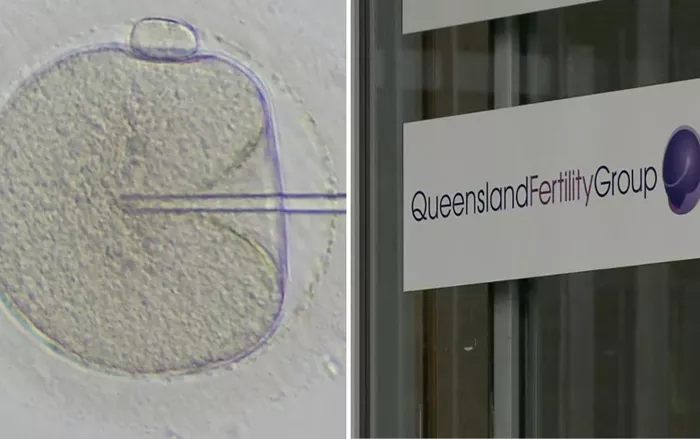
A Queensland fertility clinic has acknowledged an IVF mistake that led to a Caucasian couple giving birth to a bi-racial child in 2014.
Queensland Fertility Group (QFG) attributed the error to a sperm donation labelling mix-up. “We extend our heartfelt empathy to the family involved and recognise the profound impact this experience has had on their lives,” the clinic said on Monday.
QFG, under new ownership since 2022, confirmed it severed ties with Seattle Sperm Bank, which accepted full responsibility for the incident. The Australian clinic also audited the US supplier’s identification and witnessing procedures at the time and destroyed all remaining sperm donations from the bank.
Although QFG did not report the incident, the company noted it was not legally required to do so at the time. Following the 2014 error, QFG updated its procedures to comply with the national double-witnessing standard for sperm donations, introduced in 2012. A subsequent compliance issue at one of its labs was corrected.
“While we acknowledge shortcomings in communication by the former management, we do not believe there was a deliberate attempt to conceal the incident,” QFG stated. “A settlement agreement was reached with the family.”
QFG emphasized that it currently meets all Reproductive Technology Accreditation Committee (RTAC) requirements and supports ongoing sector improvements. The clinic expressed support for the Federal Government’s review of IVF regulations, including proposals for a national accreditation body, consistent IVF laws, and a national donor register.
Despite nearly a decade since the 2014 case, IVF errors continue to affect Queensland families. In May, Monash IVF mistakenly implanted the wrong embryo into a patient at a Brisbane clinic, resulting in the birth of a child not genetically related to the mother. CEO Michael Knaap expressed deep regret, stating, “All of us at Monash IVF are devastated and we apologise to everyone involved. We will continue to support the patients through this extremely distressing time.”
Legal experts note that such mistakes reflect ongoing challenges in keeping legislation aligned with rapidly advancing reproductive technologies.
YOU MAY ALSO LIKE
IVF Debate: Funding Push Raises Questions Over Eugenics Concerns
IVF Mix-Up: Brisbane Couple Silenced After Biracial Baby Born
