
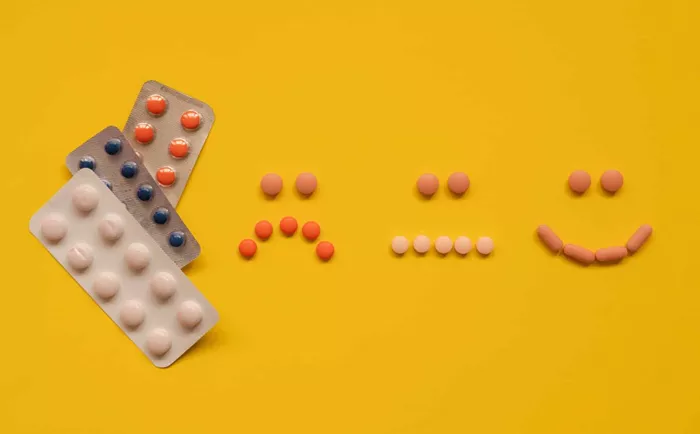
Depression and heart disease may be more closely linked than many realize. While both conditions are common on their own, experts say they often occur together—and each can increase the risk of the other.
“A heart disease diagnosis may trigger a bout of depression. But having depression can also leave you more vulnerable to heart disease,” says Dr. Stephanie Collier, director of education in the Division of Geriatric Psychiatry at Harvard-affiliated McLean Hospital.
A Two-Way Connection
Shared lifestyle factors, such as poor diet and physical inactivity, contribute to the overlap between the two conditions. Depression itself also affects the body beyond the brain. Stress hormones rise, blood pressure and heart rate increase, and inflammation worsens—all of which can contribute to clogged arteries and higher risk of heart attack. Depression can also make platelets more likely to form blood clots, compounding cardiovascular dangers.
Lifestyle and Therapy Approaches
Experts emphasize that small, consistent steps can support both heart and mental health. “Any activity is better than staying in bed,” says Dr. Collier. She recommends starting with simple outings—like visiting a coffee shop—and gradually building up to longer walks. Time spent in nature may also ease symptoms.
Dietary improvements can make a difference, too. Collier encourages patients to eat more vegetables, especially leafy greens, reduce red meat, and swap saturated fats such as butter for olive oil.
Light therapy, often used for seasonal affective disorder, may also help other types of depression. A light box that emits 10,000 lux should be used for about 30 minutes each morning. Nonprofits such as the Center for Environmental Therapeutics offer guidance on choosing effective devices.
Expanded Access to Therapy
Finding a therapist is now easier, thanks to online platforms like Alma and Headway. Since the pandemic, telehealth visits have become common, and research shows they can be just as effective as in-person sessions. Some patients even feel more comfortable opening up virtually, notes Collier.
Medication Considerations
For mild to moderate depression, medication is generally not the first step, since symptoms may improve with therapy, activity, and lifestyle changes. However, antidepressants remain important for many people with more severe symptoms.
About one-third of patients notice meaningful improvement with these drugs. Cardiologists often recommend sertraline (Zoloft) due to its relatively low cardiac risks. By contrast, high doses of citalopram (Celexa) may raise the risk of dangerous heart rhythm problems in adults over 60, and doses above 20 milligrams should be avoided in that group.
YOU MAY ALSO LIKE
Less Than Half of Teens Receive Depression Treatment
New Molecular Mechanism Could Transform Depression Treatment in Elderly
High-Dose Olanzapine Shows Promise in Teen With Resistant Schizophrenia
