
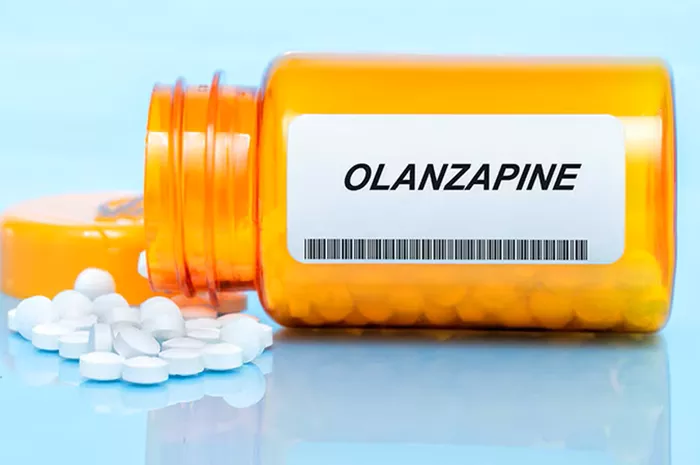
A new case report highlights the potential of high-dose olanzapine to treat adolescents with treatment-resistant schizophrenia, raising questions about whether current dosing limits may be too restrictive for certain patients.
Background
Olanzapine, a second-generation antipsychotic, is widely used to manage schizophrenia and bipolar disorder in both adults and adolescents. While the U.S. Food and Drug Administration (FDA) approves doses up to 20 mg per day, some studies in adults suggest that higher doses—sometimes exceeding 40 mg daily—can be effective when other medications fail. Data on adolescents, however, remain scarce.
Clozapine is typically the gold-standard treatment for resistant schizophrenia, but its use requires frequent blood monitoring to prevent agranulocytosis. For many patients, particularly those unwilling to undergo regular blood draws, clozapine is not an option. This clinical gap has prompted physicians to consider alternatives, including higher doses of olanzapine.
The Case
The subject of the report, a 17-year-old male with a 16-month history of schizophrenia, had endured multiple psychiatric hospitalizations marked by violent outbursts and paranoia. Previous trials of aripiprazole, paliperidone, and standard-dose olanzapine had failed to stabilize his symptoms. He also declined clozapine due to his refusal to undergo blood work.
During a five-week hospitalization, his care team switched him to orally disintegrating olanzapine tablets to ensure adherence. The dose was gradually increased to 50 mg daily—20 mg in the morning and 30 mg at bedtime.
By discharge, the patient demonstrated notable improvements in thought organization, paranoia, and family interactions. His family reported a significant reduction in aggression and fear, and he left the hospital willing to continue medication. Apart from mild constipation, he reported no significant side effects.
Implications
This case suggests that, for select adolescents with treatment-resistant psychosis, supratherapeutic doses of olanzapine may be both safe and effective. Still, the risks remain considerable: research shows adolescents are more susceptible than adults to weight gain, sedation, and metabolic side effects when taking olanzapine.
Experts caution that close monitoring is essential, especially given evidence that high-dose olanzapine can increase discontinuation rates due to side effects. Some studies also suggest that adolescents on high-dose olanzapine gain more weight compared with those on clozapine.
Conclusion
While clozapine remains the most effective treatment for resistant schizophrenia, this case adds to emerging evidence that high-dose olanzapine could serve as an alternative when clozapine is not an option. The findings underscore the need for further research to establish dosing guidelines, patient selection criteria, and long-term safety in adolescent populations.
YOU MAY ALSO LIKE
Online Therapy vs In-Person Counselling: 13 Key Differences
