
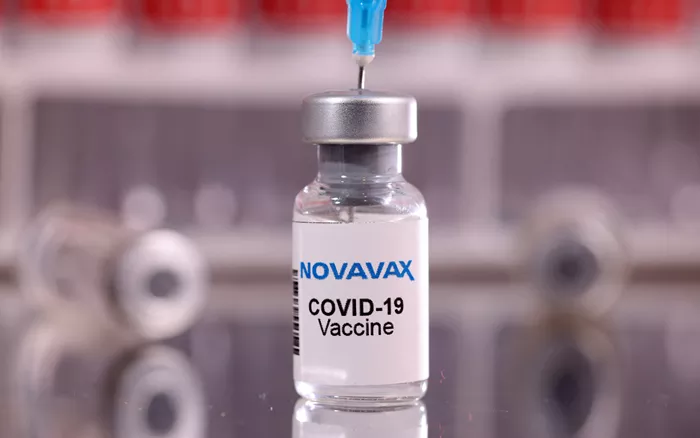
The American Academy of Pediatrics (AAP) has issued updated immunization recommendations that include Covid-19 vaccines for infants and young children—departing from the Centers for Disease Control and Prevention’s (CDC) current guidance.
Released Tuesday, the AAP’s vaccine schedule recommends that all children ages 6 to 23 months receive a Covid-19 shot, except those with known allergies to the vaccine or its components.
For children ages 2 through 18, the group advises at least one dose if they are at high risk for severe Covid-19, live in long-term care facilities, have never been vaccinated, or share a household with vulnerable individuals. Unlike the CDC, which calls for “shared clinical decision-making,” the AAP states the vaccine should be broadly available even to children outside these categories.
The move marks a rare split between the AAP and federal health authorities. For nearly a century, the organization has issued its own immunization schedule but typically in line with federal recommendations. The decision comes amid escalating tension between the AAP and the CDC’s Advisory Committee on Immunization Practices (ACIP).
In June, the AAP boycotted its first ACIP meeting after Health Secretary Robert F. Kennedy Jr. dismissed all 17 members of the panel and installed seven new members, some of whom have faced accusations of spreading vaccine misinformation. “We view it as illegitimate,” said Dr. Sean O’Leary, chair of the AAP Committee on Infectious Diseases. In August, AAP and about 30 other medical organizations were formally barred from ACIP workgroups, labeled by federal officials as “special interest groups.”
The rift has significant implications. ACIP recommendations carry statutory weight under the Affordable Care Act, requiring insurers to cover approved vaccines and determining eligibility for the federal Vaccines for Children program. The AAP has urged insurers to cover the vaccines it includes in its own schedule, including updated guidance for flu, RSV, and more than 10 other immunizations.
Federal officials swiftly criticized the AAP’s new stance. The Department of Health and Human Services (HHS) accused the group of “undermining national immunization policymaking with baseless political attacks.” HHS spokesperson Andrew Nixon said the public deserves confidence that vaccine recommendations are “based solely on science and public health.”
AAP leaders defended their decision, stressing their commitment to science-based guidance. “The AAP will continue to provide recommendations for immunizations that are rooted in science and in the best interest of the health of infants, children, and adolescents,” said AAP President Dr. Susan J. Kressly. “Pediatricians know how important routine childhood immunizations are in keeping children, families, and communities healthy.”
The Vaccine Integrity Project, an independent group of public health experts, backed the AAP’s approach on Tuesday, citing consistent evidence of vaccine safety and effectiveness. Dr. Michael Osterholm, director of the University of Minnesota’s Center for Infectious Disease Research and Policy, said recent federal changes to Covid-19 vaccine recommendations lacked solid scientific justification.
Meanwhile, access challenges may intensify this fall. The U.S. Food and Drug Administration has signaled it may restrict future Covid-19 vaccines to older adults and high-risk individuals, while authorization for Pfizer’s pediatric vaccine for children under 5 may not be renewed.
As the respiratory virus season approaches, the debate over Covid-19 vaccination for children is likely to deepen, with the nation’s leading pediatricians and federal health officials sharply divided.
READ MORE
