
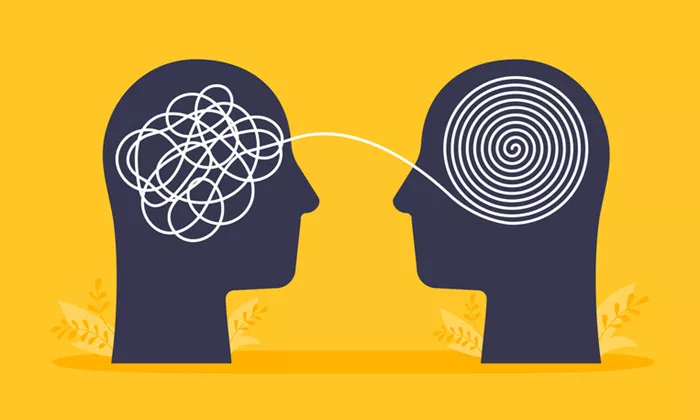
Anxiety disorders are far more common than many realize. According to Professor Oliver Robinson of University College London, one in four people will experience clinically significant anxiety at some point, and at any given time, around 20–25% of the population report feeling extremely worried.
While occasional anxiety is a normal response to stress or perceived threats, people with anxiety disorders experience these feelings in situations that pose no real danger—ranging from social interactions to looming deadlines, or even seeing a spider. Over time, this chronic anxiety can interfere with work, relationships, and daily life.
Effective treatments exist, including SSRIs, cognitive behavioural therapy, and exposure therapy, with 65–75% of patients responding well. However, lifestyle adjustments can help manage symptoms and reduce anxiety to subclinical levels. Professor Robinson identifies six habits that may inadvertently worsen anxiety—and how to counter them.
1. Isolating Yourself
Avoiding social situations may seem safe, but prolonged isolation can reinforce fears and trigger rumination, a cycle of obsessive negative thoughts.
Tip: Gradually face your fears. Even occasional exposure—like meeting a friend for coffee before a larger social event—helps retrain your brain that the situation is not dangerous.
2. Using Alcohol to Relax
Alcohol temporarily reduces inhibitions but can disrupt sleep, trigger next-day anxiety (“hangxiety”), and imbalance brain chemistry.
Tip: Opt for caffeine-free hot drinks or low-sugar alternatives to unwind without worsening anxiety.
3. Sleeping Too Little
Sleep deprivation amplifies stress and heightens amygdala activity, intensifying the fear response.
Tip: Prioritize eight hours of sleep and establish calming bedtime routines, such as box breathing or distancing yourself from work emails.
4. Excessive Caffeine Intake
Caffeine stimulates cortisol, triggering the body’s fight-or-flight response, worsening jitters, heart palpitations, and anxiety.
Tip: Consume caffeine with food, reduce intake gradually, and consider caffeine-free beverages like herbal teas or sparkling water.
5. Emotional Eating
Relying on sugary or processed foods may provide short-term comfort but can exacerbate anxiety over time.
Tip: Follow a Mediterranean-style diet rich in whole foods, healthy fats, nuts, and lean proteins, while treating indulgent foods as occasional treats.
6. Lack of Physical Activity
Sedentary lifestyles are linked to increased anxiety, while regular exercise releases endorphins and regulates the stress response.
Tip: Aim for at least 150 minutes of weekly cardiovascular activity, and include meditative practices like yoga to boost mood and self-esteem.
Managing Anxiety
Everyone’s experience is different, and there is no one-size-fits-all approach. Professional guidance can help tailor treatments, including therapy or medication. Small, targeted lifestyle changes—like facing fears gradually, improving sleep, moderating caffeine, and maintaining physical activity—can significantly reduce anxiety over time.
YOU MAY ALSO LIKE
I Tried a “Cortisol Cocktail” Daily for a Month — Here’s What Happened
Nurturing Gut Microbiota Shows Promise Against Depression, Anxiety
Highly Sensitive Individuals Face Elevated Risk of Anxiety, Depression
