
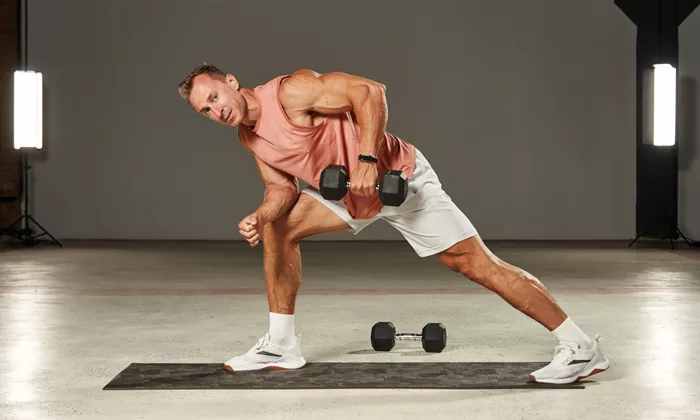
For many gym enthusiasts, shoulder workouts often consist of overhead pressing variations paired with lateral raises. However, to truly develop well-rounded shoulders and avoid visible muscle imbalances, the often-overlooked rear deltoids deserve more attention.
Fitness experts emphasize incorporating the rear delt raise into your routine to build size, strength, and symmetry for that powerful “superhero” shoulder look.
The rear delt raise targets the rear, or posterior, head of the deltoid muscle, which plays a crucial role in pulling the upper arm back and improving shoulder posture.
Unlike many compound movements, this exercise can isolate the rear delts by minimizing help from larger surrounding muscles, such as the lats and mid-back. However, many perform the traditional version incorrectly, often shifting strain onto the lower back and reducing effectiveness.
Ebenezer Samuel, C.S.C.S. and fitness director at Men’s Health, offers a simple modification to maximize results: the chest-supported rear delt raise. Using an adjustable incline bench, this variation stabilizes the torso, prevents cheating motions, and keeps the focus strictly on the rear delt muscles.
How to perform the chest-supported rear delt raise:
- Position an adjustable bench at a high incline.
- Lay your chest flat against the bench pad, tightening your glutes and core for stability.
- Hold light dumbbells with elbows slightly bent (about 20 degrees).
- Raise the weights out to your sides, with palms facing forward as if showing them to someone in front of you.
- Pause briefly at the top, then lower the weights slowly.
- Perform 3-4 sets of 10-12 repetitions with a lighter weight to maintain form and muscle engagement.
The rear delts support essential shoulder functions like retraction and also engage synergistic muscles including the rhomboids, core, and rotator cuffs during this exercise. Building strength here helps balance the often overdeveloped front shoulder muscles, especially important for those who focus on bench pressing or spend long hours hunched over desks.
Samuel recommends integrating chest-supported rear delt raises into back, shoulder, or push workouts. Performing them early in a session can open up the chest and improve shoulder positioning for subsequent exercises. Incorporate the exercise 3 to 4 times per week for optimal results.
Incorporating targeted rear delt work can help prevent postural imbalances and build the strong, well-shaped shoulders many aspire to achieve.
YOU MAY ALSO LIKE
Men Face Higher Mortality After Dementia Diagnosis Than Women
ADT Therapy for Prostate Cancer: Managing Five Common Side Effects
