
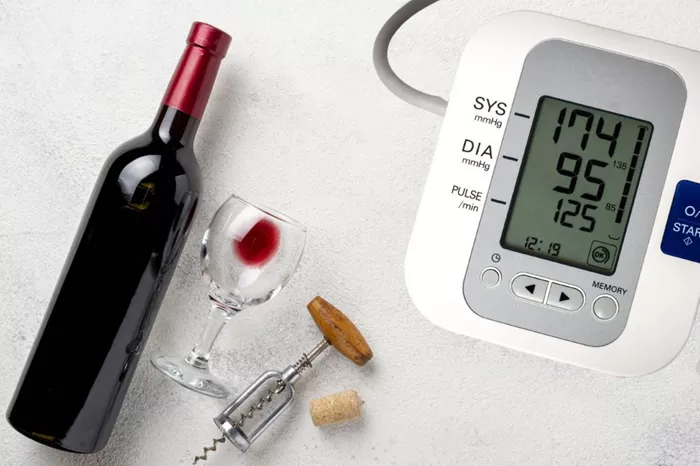
The next time you check your blood pressure, your doctor may take a more aggressive approach—and recommend skipping your evening glass of wine.
Updated guidelines from the American Heart Association (AHA) and the American College of Cardiology (ACC), released Thursday, call for earlier intervention and stricter lifestyle changes to manage high blood pressure.
These are the first comprehensive guidelines since 2017. With heart disease remaining the leading cause of death globally, controlling blood pressure remains one of the most effective ways to prevent heart attacks, strokes, kidney disease, type 2 diabetes, and even dementia.
Nearly half of U.S. adults have elevated blood pressure. While the target ranges remain unchanged—normal is less than 120/80 mm Hg and elevated is 120–129/80 mm Hg—the new guidance recommends that adults with readings at 130/80 mm Hg or higher take action immediately.
Blood pressure, measured in millimeters of mercury (mm Hg), includes a systolic (upper) number reflecting the force of blood as it leaves the heart and a diastolic (lower) number representing pressure while the heart rests. High blood pressure is typically symptomless but forces the heart and vessels to work harder, leading over time to cardiovascular damage.
Treatment Shifts Focus to Lifestyle First
For patients with systolic blood pressure between 130 and 139 mm Hg, doctors are now advised to prioritize lifestyle interventions. If blood pressure remains elevated after three to six months, medication may be introduced. This contrasts with the 2017 guidance, which recommended medication only when systolic readings exceeded 140 mm Hg.
“By more aggressively controlling blood pressure, we can prevent cardiovascular disease, strokes, kidney disease, and even lower the risk of dementia,” said Dr. Daniel Jones, chair of the AHA guideline writing committee.
Lifestyle strategies include maintaining a healthy weight, following a heart-healthy diet, reducing salt intake, managing stress, engaging in at least 150 minutes of moderate activity per week, and performing resistance exercises such as weight training.
Alcohol Recommendations Tightened
The updated guidelines also mark a notable shift regarding alcohol. Previously, moderate consumption—one drink per day for women and two for men—was considered acceptable. Now, abstinence is recommended as the ideal, though moderate intake is still allowed for those who choose to drink.
“There’s a lot of individual variability, but the evidence is clear that alcohol can raise blood pressure,” Jones explained.
Focus on Dementia and Pregnancy
New research highlights the role of blood pressure control in reducing dementia risk. The guidelines also emphasize monitoring blood pressure in individuals who are pregnant or planning pregnancy, as high readings can compromise maternal and fetal health and increase the risk of long-term hypertension.
Dietary guidance continues to favor the DASH diet—rich in fruits, vegetables, whole grains, fish, poultry, beans, nuts, and vegetable oils—and low in sugar, saturated fats, and tropical oils. Sodium intake should ideally be below 1,500 mg daily, with potassium intake encouraged through potassium-enriched salt substitutes.
For patients with overweight or obesity, at least a 5% weight loss is advised. Those with severe obesity may consider medications, such as GLP-1 receptor agonists, or bariatric surgery in extreme cases.
“The reality is that the most effective interventions for high blood pressure are dietary and lifestyle changes,” Jones said. “It’s challenging, but it works—and it can significantly improve health outcomes.”
READ MORE
