
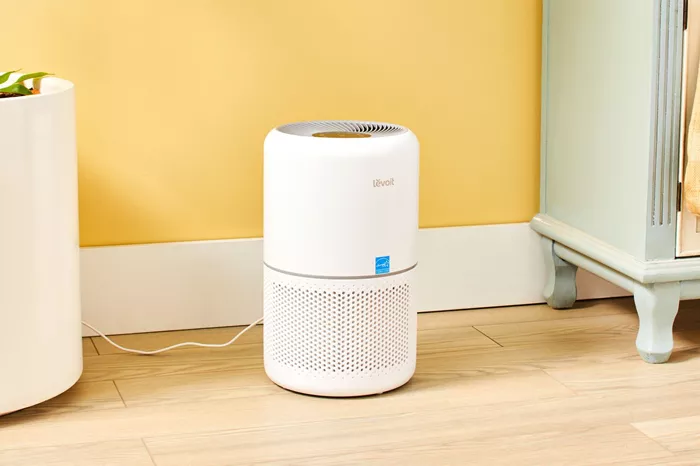
A new study reveals that using HEPA air purifiers in homes near busy highways can help reduce blood pressure, potentially lowering the risk of heart disease and stroke.
Researchers found that running air purifiers with HEPA filters for just one month led to a nearly 3-point drop in systolic blood pressure among healthy adults with slightly elevated readings.
The study, published in the Journal of the American College of Cardiology, highlights that even a modest reduction in systolic blood pressure can have meaningful health benefits.
“A 3-point drop might seem small, but research shows it can significantly reduce the chances of serious cardiovascular events such as heart attacks and strokes,” said Doug Brugge, the study’s lead author and a public health professor at UConn Health.
Exposure to traffic-related air pollution is a hidden health hazard affecting nearly a quarter of Americans living near busy roads. These tiny airborne particles from vehicle emissions are invisible and odorless but are well-known contributors to high blood pressure and heart disease.
The study involved 154 volunteers living close to heavy traffic, who were randomly assigned to use either real HEPA air purifiers or sham devices in their living rooms and bedrooms.
After one month, those using real HEPA filters experienced an average systolic blood pressure reduction of 2.8 points, compared to only 0.2 points in the sham group. Importantly, the benefit was seen only in participants who started with slightly elevated blood pressure.
Dr. Matthew Alexander, a cardiovascular expert at Vanderbilt University Medical Center, described the findings as “clinically significant,” estimating the blood pressure drop could reduce the risk of heart-related events by about 6%. Both Alexander and other experts emphasize the need for further research to confirm and expand on these results.
HEPA air purifiers similar to those used in the study are widely available to consumers, making this a practical option for improving indoor air quality and protecting heart health, especially for those living in pollution-prone areas.
With high blood pressure affecting nearly half of U.S. adults according to the CDC, simple interventions like improving indoor air could become a valuable tool in managing cardiovascular risk.
READ MORE
Texas Surgeon’s Fight with Insurance Threatens Patient Care and Her Clinic
French Fries and Diabetes: How Cooking Affects Your Health
NHS Urges Long-Term Support After Stopping Weight-Loss Drug Treatments
