
A recent study published in The American Journal of Clinical Nutrition has found that following a vegetarian diet may significantly reduce the risk of both common and less frequent cancers. The research examined dietary patterns in relation to cancer incidence across multiple bodily sites.
Diet and Cancer
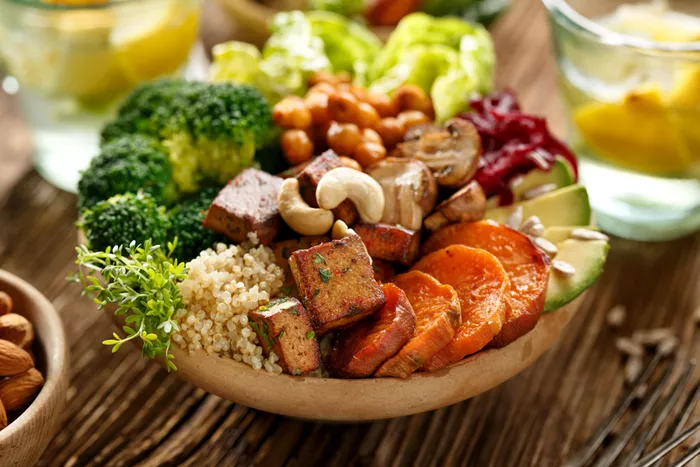
Vegetarian diets generally emphasize higher consumption of fruits, vegetables, nuts, and legumes while limiting or excluding meat. By contrast, a Western diet often includes large amounts of red and processed meat, refined grains, sugary beverages, and highly processed foods.
The protective effects of vegetarian diets are attributed to increased intake of phytochemicals in plant foods, which have been shown to possess anticancer properties.
Additionally, avoiding meat can lower the risk of obesity, a well-established risk factor for many cancer types. While previous studies have linked meat consumption, particularly red and processed meats, to colorectal cancer, evidence regarding vegetarian diets and other cancer types has been mixed.
The Study
This study analyzed data from the Adventist Health Study-2 (AHS-2) cohort to explore the effects of vegetarian diets on less common cancers. The AHS-2 cohort, recruited from the U.S. and Canada between 2002 and 2007, included 95,863 participants, approximately 26,000 of whom were Black. Researchers categorized participants based on dietary patterns: vegans, lacto-ovo-vegetarians, pesco-vegetarians, semi-vegetarians, and non-vegetarians.
Vegans avoided all animal products.
- Lacto-ovo-vegetarians avoided meat and fish but consumed dairy and eggs.
- Pesco-vegetarians consumed fish in addition to the lacto-ovo-vegetarian diet.
- Semi-vegetarians consumed meat infrequently.
Researchers matched dietary data to cancer registries across the U.S. and parts of Canada and accounted for age, gender, education, and past and present cancer screening habits.
Key Findings
Among 79,468 eligible participants, 26% were Black, and 65% were female, with an average follow-up of 7.9 years. After adjusting for age, sex, and race, vegetarians consistently demonstrated lower risks of cancer compared to non-vegetarians. Overall, vegetarian diets were associated with a reduced risk of total cancers (Hazard Ratio [HR]: 0.88) and medium-frequency cancers (HR: 0.82).
Some findings varied by diet type:
Vegans had lower incidence of breast and early-onset prostate cancers.
Pesco-vegetarians experienced lower risk of colorectal and later-onset breast cancers.
Lacto-ovo-vegetarians showed reduced risk of lymphoproliferative cancers, including lymphomas, and stomach cancer.
Adjusting for Body Mass Index slightly weakened the associations, suggesting that lower body weight partially mediates the protective effects. Notably, even non-vegetarian Adventists consumed less meat and alcohol than the general population, indicating the benefits of vegetarian diets might be even more pronounced compared to typical Western diets.
Limitations and Future Research
The study acknowledged certain limitations, including small sample sizes for rare cancers in some diet groups and reliance on dietary information collected only at the study’s start. Further research is needed to explore the relationship between vegetarian diets and cancers such as pancreatic, lung, and ovarian cancer.
Conclusion
The study reinforces that vegetarian diets can lower the risk of several cancers, with no evidence suggesting they increase cancer risk. Researchers emphasize the need for additional studies to confirm these benefits across diverse populations and a wider range of cancer types.
YOU MAY ALSO LIKE
