
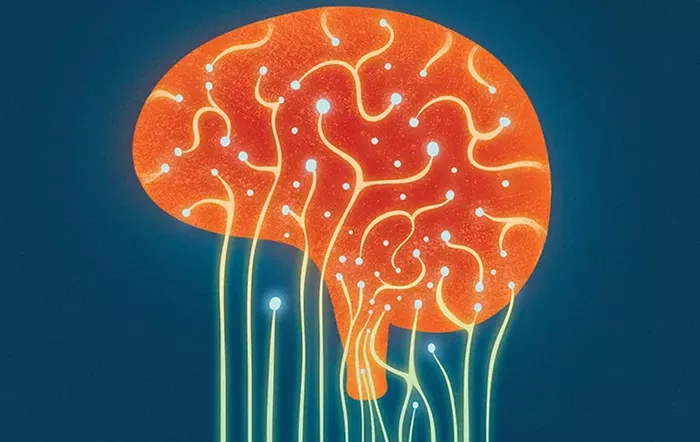
New research from Michigan State University reveals that microbes play a critical role in early brain development, particularly in a brain region responsible for regulating stress, social behavior, and essential bodily functions.
Published in Hormones and Behavior, the study employed a mouse model to examine how natural microbial exposure influences brain structure not only after birth but potentially during gestation.
Mice were chosen for the study due to their close biological and behavioral similarities to humans, and because no alternative models currently exist for studying the impact of microbes on brain development.
The research has important implications given modern obstetric practices, such as peripartum antibiotic administration and Cesarean delivery, which can disrupt maternal microbes. In the United States, approximately 40% of women receive antibiotics around childbirth, and one-third of all births occur via Cesarean section.
The study focused on the paraventricular nucleus of the hypothalamus (PVN), a key brain region involved in regulating stress, blood pressure, water balance, and social behavior.
Previous research by the team demonstrated that mice raised without microbes—so-called germ-free mice—experienced higher rates of neuron death in the PVN during early development. The new study aimed to determine whether these changes persisted long-term and whether microbial influences began in the womb through maternal signaling.
Using a cross-fostering approach, researchers placed germ-free newborn mice with mothers harboring natural microbes and compared them to control groups.
Examination of the mice three days after birth revealed significant findings: mice gestated by germ-free mothers had fewer neurons in the PVN, regardless of whether they acquired microbes after birth. The trend persisted into adulthood, with germ-free adult mice also exhibiting reduced neuron counts in the PVN.
“Our study shows that microbes play an important role in sculpting a brain region essential for bodily functions and social behavior,” said Dr. Castillo-Ruiz. “Moreover, our findings indicate that microbial influences begin in the womb through signals from maternal microbes.”
Dr. Castillo-Ruiz emphasized the importance of recognizing microbes as partners in early life development. “Rather than shunning our microbes, we should understand that they help build our brains from the very beginning,” she said.
READ MORE
Maine Clinics Fight Medicaid Cuts in Court Over Abortion Rule
FDA Announces Nationwide IV Saline Shortage Officially Resolved
Sudan Begins 10-Day Cholera Vaccination Drive Amid Ongoing Conflict
