
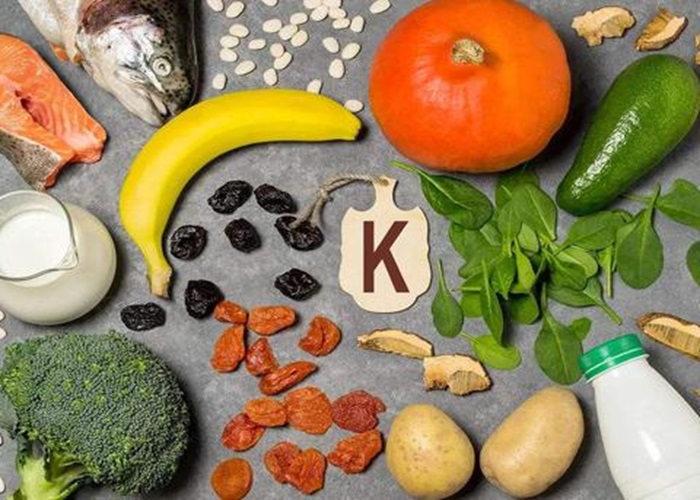
A new study published in Nutrients reveals that higher potassium consumption may play a protective role against depression, with patterns varying between Korean and American adults.
Researchers examined dietary mineral intake—including calcium, zinc, iron, magnesium, phosphorus, sodium, and potassium—among nationally representative adult populations in South Korea and the United States. They found that potassium intake was consistently linked to a lower risk of depression in both countries, while other minerals showed population-specific associations.
Background
Depression remains a major public health concern worldwide, affecting millions and contributing to long-term disability. In this study, 4.1% of Korean participants and 6.2% of American participants met the threshold for depression. Women, individuals with lower income or education, people living alone, smokers, and those with chronic conditions were more likely to experience depression in both countries.
While nutrition has been increasingly tied to mental health outcomes, the roles of sodium and potassium—abundant in daily diets—have been underexplored. Sodium is most often consumed as table salt, whereas potassium is found in a variety of fruits, vegetables, legumes, and other foods.
Study Design
The research team used data from national health and nutrition surveys, analyzing responses from 12,996 Korean adults and 9,547 American adults who had completed depression screening. Individuals who were pregnant, receiving depression treatment, or missing key data were excluded.
Dietary mineral intake was calculated from 24-hour food recalls, and depression was defined as a screening score of 10 or higher. Researchers adjusted for demographic, socioeconomic, lifestyle, and health-related factors, applying statistical weights to ensure national representativeness.
Key Findings
Korea: Higher potassium and sodium intakes were linked to significantly lower odds of depression. Phosphorus showed borderline significance.
United States: Higher potassium and zinc intakes were significantly associated with lower depression risk. Iron showed borderline significance.
Potassium was the only mineral consistently associated with reduced depression risk across both populations.
Subgroup analysis revealed nuanced patterns, such as sodium’s protective effect among Korean men, potassium’s stronger association in older Americans, and zinc’s benefit among non-obese Americans.
Interestingly, magnesium and calcium showed no significant association with depression in either country.
Possible Explanations
The authors suggest that sodium may influence brain reward pathways, while zinc may affect glutamate receptor activity in the hippocampus—both potentially influencing mood regulation. Differences in dietary sources may also explain cross-country variations: Koreans consume more sodium from fermented foods, soups, and stews, while Americans often obtain more bioavailable zinc and iron from red meat.
Limitations and Implications
The cross-sectional design prevents establishing cause and effect, and reliance on 24-hour dietary recall could introduce errors, particularly among participants with depression-related memory issues. Depression was self-reported, which may also affect accuracy.
Despite these limitations, the findings support the idea that dietary mineral intake—especially potassium—could be an important component of mental health strategies. The authors recommend longitudinal studies to confirm these relationships and investigate underlying biological mechanisms.
READ MORE
