
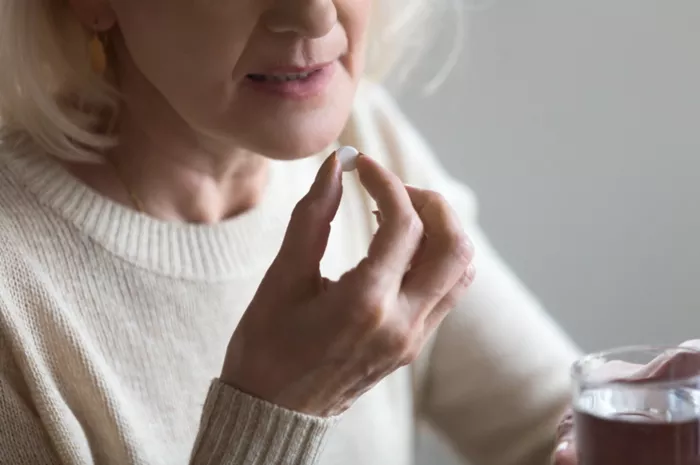
The tragic death of actress Shefali Zariwala at 42, linked to her use of anti-aging pills and skin treatments like glutathione, highlights a growing health concern for women. Dependency on such drugs, combined with factors like fasting, can trigger fatal allergic reactions.
Women face increasing societal pressure to look younger, often turning to unregulated supplements and online “biohacks” instead of medical advice. Many anti-aging products marketed aggressively promise youthful skin but lack approval for cosmetic use, posing hidden dangers.
Steroids, hormonal treatments, and supplements used off-label for anti-aging can cause severe eye complications—ranging from increased eye pressure and cataracts to retinal blood flow issues and dry eyes. In some cases, these drugs suppress immunity, leading to infections and worsened eye diseases like diabetic retinopathy or macular degeneration.
The risks extend beyond vision. Unsafe use of Botox and similar treatments by unlicensed providers has resulted in botulism outbreaks, causing paralysis and even death, primarily affecting women.
Experts urge women to seek professional guidance before starting anti-aging therapies. If vision changes occur, immediate consultation with an eye specialist is essential to prevent permanent damage.
Read more:
Study Finds Anti-Aging Drug Rapamycin Extends Life Like Cutting Calories
