
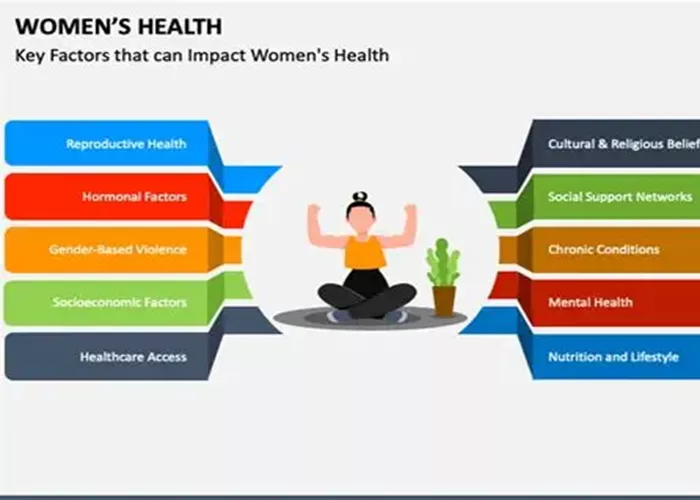
Women’s health encompasses a broad spectrum of physical, emotional, and mental well-being, with concerns ranging from reproductive issues to chronic diseases. Obstetricians & Gynecologists, PC, a practice with over 30 years of experience in Grand Island and Hastings, Nebraska, highlights 10 critical health matters every woman should understand.
Heart Disease
Contrary to common belief, heart disease is the leading cause of death for women in the U.S. Post-menopause, women face increased risks of high blood pressure and coronary artery disease, making awareness and preventive care vital.
Breast Cancer
Ranked as the second most common cancer in women (after skin cancer), early detection is key. Regular self-exams and mammograms are recommended to catch the disease when treatment is most effective.
Other Gynecological Cancers
Beyond breast cancer, cervical cancer—once a top killer—now is manageable through routine Pap smears. Ovarian and endometrial cancers also require vigilance, as early symptoms can be subtle.
Gynecological Health
Reproductive organs significantly impact overall health. Conditions like endometriosis, fibroids, and polycystic ovary syndrome (PCOS) often cause heavy bleeding, pelvic pain, or irregular periods, yet they frequently go undiagnosed for years.
Maternal Health
Pregnancy brings physical and emotional challenges, from morning sickness to anemia. Early and regular prenatal care is essential to support both mother and child throughout this transformative period.
Menopause
A natural transition marking the end of fertility, menopause unfolds gradually. Symptoms such as hot flashes, night sweats, and mood swings can appear months or years before periods stop. Discussing this stage during annual exams helps women prepare.
Depression and Anxiety
Women are more prone to these mental health issues, with heightened vulnerability during and after pregnancy (perinatal and postpartum depression) and pre-menopause, due to hormonal fluctuations.
Osteoporosis
This bone-thinning disease risks fractures, as bone breakdown outpaces rebuilding. Post-menopausal estrogen decline accelerates bone loss, and women’s naturally thinner bones increase susceptibility.
Sexually Transmitted Diseases (STDs)
STDs are widespread, and untreated cases in women can lead to long-term issues like infertility or gynecological cancer, emphasizing the need for testing and safe practices.
Autoimmune Diseases
Women are more likely to develop these conditions, where the immune system attacks the body, causing fatigue, joint pain, or unexplained fevers.
Prioritizing women’s health means addressing these concerns proactively. For unusual symptoms like persistent pain or abnormal bleeding, seeking professional care is crucial. To schedule an appointment, call the office or request online today.
Related topics:
Genetics, Not Bullying, May Drive Link to OCD symptoms, Twin Study Suggests
Experts Raise Alarms Over Benadryl Long-Term Health Risks
Tennessee Execution to Proceed Despite Inmate’s Heart Device Concerns
