
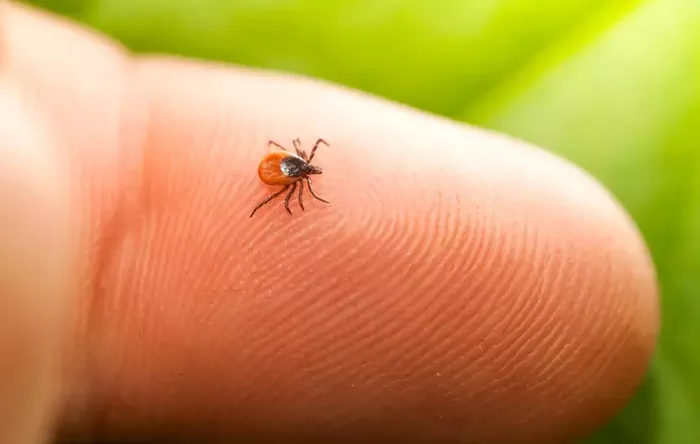
A rare and potentially deadly tick-borne virus has been detected in a Maine resident, marking an alarming development in the U.S. tick season.
Health officials have confirmed that an adult from Hancock County, Maine, has been hospitalized with neurological symptoms stemming from Powassan virus, a rare but serious tick-borne infection. The Maine Center for Disease Control and Prevention (Maine CDC) announced the diagnosis this week as experts warn of growing risks tied to tick exposure in the Northeastern U.S.
Powassan virus, transmitted by the bite of an infected woodchuck tick and, less commonly, by infected deer ticks, is significantly rarer than Lyme disease — but potentially more severe.
“While rare, Powassan is a serious concern,” said Dr. Jorge P. Parada, M.D., medical advisor to the National Pest Management Association (NPMA) in Chicago. “One of the most dangerous aspects is its rapid transmission — it can be passed to a human in just 15 minutes after a bite.”
In comparison, Lyme disease typically requires 36 to 48 hours of tick attachment for transmission. Powassan’s speed and severity are what raise red flags for health professionals.
A Rare Virus with Serious Consequences
Dr. Marc Siegel, Fox News’ senior medical analyst, emphasized that Powassan virus has an incubation period ranging from one to four weeks. Despite the low case numbers — typically between seven and eight annually in the U.S. — incidence has increased slightly over recent years, particularly in the Northeast and Great Lakes regions.
Symptoms of Powassan infection may begin with fever, vomiting, weakness, and headache. In more severe instances, the virus can cause encephalitis (inflammation of the brain) or meningitis (inflammation of the membranes surrounding the brain and spinal cord). Such complications can lead to confusion, difficulty speaking, seizures, and loss of coordination.
“Unlike most tick-borne illnesses, 10% to 15% of severe Powassan virus cases are fatal,” Dr. Parada noted. “And among survivors, around half are left with long-term neurological damage.”
People at highest risk of severe disease include the elderly, young children, and individuals with weakened immune systems.
No Vaccine, No Cure — Prevention is Critical
There is currently no vaccine or specific antiviral treatment for Powassan virus. Medical care focuses on relieving symptoms and managing complications such as brain swelling or seizures. This makes preventive measures the most effective defense.
“Since there isn’t a treatment or vaccine for the Powassan virus, prevention is critical,” Parada stressed.
Experts recommend the following protective strategies:
Use EPA-registered insect repellents with at least 20% DEET.
Wear light-colored, long-sleeved clothing, and tuck pants into socks when in wooded or grassy areas.
Conduct thorough tick checks on yourself, your children, and pets after spending time outdoors.
Homeowners are also advised to make landscaping choices that reduce tick habitats. Keeping lawns well-trimmed and installing gravel or woodchip barriers around property edges — often called a “tick moat” — can help deter ticks from entering high-traffic areas.
Growing Concern as Tick Habitats Expand
Experts warn that warmer temperatures and changing ecosystems are pushing tick populations into new territories, increasing the risk of exposure. The U.S. Centers for Disease Control and Prevention (CDC) has tracked a rise in tick-related illnesses in recent years, urging public awareness as tick season peaks from late spring to early fall.
“The combination of Powassan’s rapid transmission, severe health consequences and lack of treatment options makes this an emerging public health concern,” said Parada. “We need heightened awareness and strict prevention efforts to contain its impact.”
As tick-borne diseases grow in number and reach, public health authorities continue to stress the importance of vigilance — not only to protect individuals but to reduce broader community health risks.
READ MORE:
U.S. Childhood Vaccination Rates Dip Further as Exemptions Hit New Peak
LLS Rebrands as Blood Cancer United to Expand Mission
FDA Top Vaccine Official Steps Down Amid Mounting Controversy
