
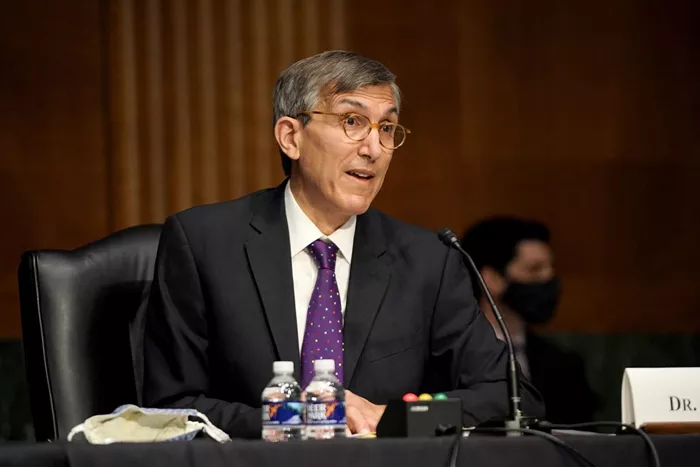
Dr. Vinay Prasad, the U.S. Food and Drug Administration’s top vaccine official, is stepping down after a turbulent three-month tenure that drew criticism from pharmaceutical companies, patient advocacy groups, and political figures across the spectrum.
According to the U.S. Department of Health and Human Services, Prasad is leaving the agency to “spend more time with his family.” However, two individuals familiar with the situation told the Associated Press that Prasad was asked to resign following a series of contentious decisions and public backlash. These sources requested anonymity due to the sensitive nature of the matter.
Prasad joined the FDA in May from the University of California, San Francisco, bringing with him a reputation for challenging the status quo on drug and vaccine approvals. He quickly gained attention — and criticism — for voicing skepticism toward the agency’s approach to evaluating new pharmaceutical products, including COVID-19 vaccines.
His appointment drew fire from some conservative commentators, including far-right activist Laura Loomer, who unearthed Prasad’s past public praise of U.S. Senator Bernie Sanders (I-Vt.) and criticisms of former President Donald Trump. “How did this Trump-hating Bernie Bro get into the Trump admin???” Loomer posted on X, formerly Twitter, last week.
Prasad also made headlines for temporarily halting distribution of the only FDA-approved gene therapy for Duchenne muscular dystrophy, a rare and deadly genetic disorder affecting primarily young boys. The pause followed reports of patient deaths.
The FDA resumed shipments this week after intense lobbying from affected families. Prasad had long questioned the clinical benefits and safety of the therapy, which is manufactured by Sarepta Therapeutics.
As an academic, Prasad was known for challenging the FDA’s accelerated approval pathways, particularly for cancer and genetic treatments, which he argued often lacked robust clinical evidence.
His cautious stance ran counter to the policies championed during the Trump administration, which prioritized rapid drug approvals and expanded access to experimental therapies. Trump’s “Right to Try” legislation, passed during his first term, granted terminally ill patients the right to seek treatments that had not yet received full FDA approval.
More recently, Prasad’s team denied three applications for gene therapy products submitted by smaller biotech firms — a move that sparked criticism from anti-abortion groups who see such treatments as potential solutions to prenatal conditions that may lead to pregnancy terminations.
The FDA has appointed Dr. George Tidmarsh, a former pharmaceutical executive who joined the agency this month, to temporarily assume Prasad’s responsibilities. The leadership transition was confirmed through an internal agency communication reviewed by the Associated Press.
READ MORE:
LLS Rebrands as Blood Cancer United to Expand Mission
U.S. Childhood Vaccination Rates Dip Further as Exemptions Hit New Peak
Scientists Create AI Model for Human Behavior Prediction, Be.FM Excels
