
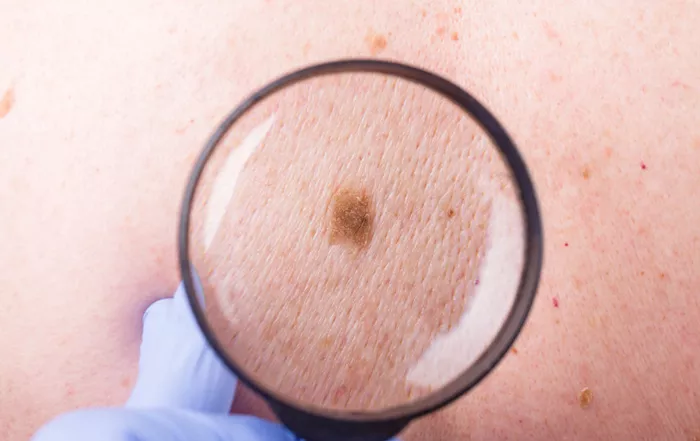
A recent case report published in The New England Journal of Medicine presents groundbreaking evidence that beta‑type human papillomavirus (HPV)—a virus traditionally viewed as benign when found on the skin—can directly cause cutaneous squamous cell carcinoma (cSCC) in individuals with severely impaired immune.
The Patient and the Discovery
A 34‑year‑old woman with a genetic immunodeficiency affecting her T‑cells developed 43 lesions of cSCC across her face, hands, and legs. Despite multiple surgeries and immunotherapy, new tumors continued to appear.
When NIH clinicians performed biopsies, they discovered something unprecedented: beta‑HPV had integrated into the DNA of her skin cells, actively producing viral proteins that drove the cancer’s growth—mimicking the mechanism of alpha‑HPV strains seen in cervical and oropharyngeal cancers.
Immune Dysfunction Unmasks Oncogenic HPV
Normally, beta‑HPV is widespread, present in roughly 90 % of individuals as a benign skin commensal. In healthy immune systems, it does not integrate into host DNA and is often cleared or kept latent by T‑cell surveillance.
In this exceptional case, genetic defects disabled her T‑cell activation. This allowed the virus to establish persistent infection, integrate into keratinocytes, and transform them—resulting in aggressive cancer unresponsive to conventional therapies.
A Personalized Cure via Stem Cell Transplant
Treating the root cause, clinicians performed a stem cell transplant to replace the patient’s dysfunctional immune system. Over three years post-transplant, no recurrence of cSCC has been detected—highlighting the critical role of immune competence in controlling HPV-driven malignancy.
Implications for Skin Cancer Understanding and Management
This landmark case challenges the existing paradigm: beta‑HPV is not always a passive player in skin cancer development. Rather, under immunocompromised conditions, it can act as a direct oncogenic driver—integrating into host DNA and sustaining tumor growth independently.
Previously, beta‑HPV was considered a co‑factor in a “hit‑and‑run” model: it might help UV damage accumulate but typically did not persist in tumour cells. Now, this case demonstrates an active, persistent oncogenic role under specific immune conditions.
Who Is At Risk—and What To Do
Experts warn that this discovery does not suggest beta‑HPV causes skin cancer in people with normal immune systems. Rather, it underscores increased risk in those with T‑cell dysfunction—such as transplant recipients, people with certain genetic disorders, or long‑term immunosuppressive therapy.
Standard prevention recommendations remain vital:
Protect skin from UV radiation (sunscreen, protective clothing).
Regular skin screening, especially for immunocompromised individuals.
Close monitoring of high‑risk patients, with awareness that viruses like beta‑HPV may behave unpredictably when immune surveillance fails.
Vaccination and Future Research
Current HPV vaccines (e.g. Gardasil) target alpha‑HPV strains—the type linked to cervical and other mucosal cancers. They do not protect against beta‑HPV, and cross‑protection remains unproven.
However, emerging studies suggest that vaccines tailored to beta‑HPV types, or immunotherapies boosting viral clearance in the skin, might offer future prevention or therapeutic opportunities, especially for immunocompromised populations.
Read more:
Men’s Summer Skincare: A Guide to Healthy, Radiant Skin
One dead and 22 sickened in Harlem Legionnaires’ disease cluster
