
Senile constipation is a significant public health issue threatening the quality of life of the elderly, with its prevalence rising steadily as people age. Beyond the obvious discomfort of difficult bowel movements, long-term constipation can trigger a chain of health problems affecting multiple bodily systems and even mental well-being.
Prolonged constipation weakens intestinal wall muscles due to fecal accumulation, creating a vicious cycle. Hardened stool may scratch the intestinal mucosa, leading to hemorrhoids, anal fissures, or even rectal prolapse. Toxins like ammonia and hydrogen sulfide from retained feces can be reabsorbed into the bloodstream, causing bad breath, dull skin, and impairing liver detoxification. Fecal pressure on the bladder may result in frequent urination, urgency, or incontinence. Associated bloating and reduced appetite can lead to malnutrition, anemia, osteoporosis, and weakened immunity.
Critically, straining during bowel movements can cause sudden blood pressure spikes in elderly individuals with hypertension or arteriosclerosis, potentially inducing angina, myocardial infarction, or cerebral hemorrhage. Mentally, chronic difficulty can trigger anxiety and depression; fear of outside may reduce social activities, trapping seniors in a cycle of loneliness, constipation, and anxiety.
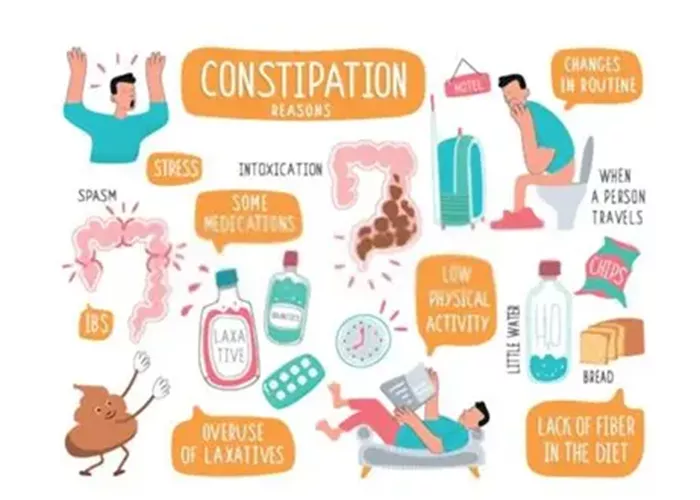
Four key factors contribute to senile constipation. Age-related bodily decline weakens intestinal peristalsis due to reduced colon contractions, fewer functional ENS neurons and neurotransmitters, decreased motilin, increased somatostatin, weakened pelvic floor muscles, and reduced saliva and digestive enzyme activity. Dietary changes—soft, low-fiber foods, inadequate water intake (often less than 1200ml daily), and imbalanced gut microbiota—exacerbate the issue. Lack of exercise leads to diminished intestinal motility, muscle atrophy, poor coordination, and reduced intestinal blood flow. Additionally, the gut, known as the “second brain,” is highly sensitive to emotional fluctuations; chronic anxiety or depression in the elderly disrupts intestinal function via neural, hormonal, and immune pathways.
Scientific management of senile constipation revolves around three key pillars: diet, exercise, and emotional well-being. Dietary adjustments should focus on increasing dietary fiber from whole grains (oats, brown rice, corn), vegetables, fruits, and legumes; ensuring daily water intake of 1500-2000ml (about 8 cups), especially warm water on an empty stomach in the morning; and incorporating probiotics from fermented foods (sugar-free yogurt, kimchi, natto) and prebiotics (bananas, onions, garlic) to balance gut flora.
Regular physical activity is equally vital. Suitable exercises for the elderly include brisk walking, tai chi, and abdominal massages, performed at least 5 days a week to maintain intestinal motility. Combining exercise with post-workout hydration and high-fiber snacks like oats or bananas enhances effectiveness.
Maintaining an optimistic mindset is crucial, as emotional stability helps alleviate the psychological triggers of constipation.
Constipation is a preventable and treatable condition. Elderly individuals should adopt an “early screening and treatment” approach, staying informed about their intestinal health and bowel habits. Any changes in bowel patterns, stool characteristics, or accompanying symptoms like abdominal pain or blood in stool warrant prompt medical attention, ensuring both symptomatic relief and addressing underlying causes.
Related topics:
Aquablation Therapy: New Hope for Men with Enlarged Prostate
40% of perimenopausal women have untreated VMS
New Robotic Prostate Cancer Treatment Causes Fewer Side Effects
