
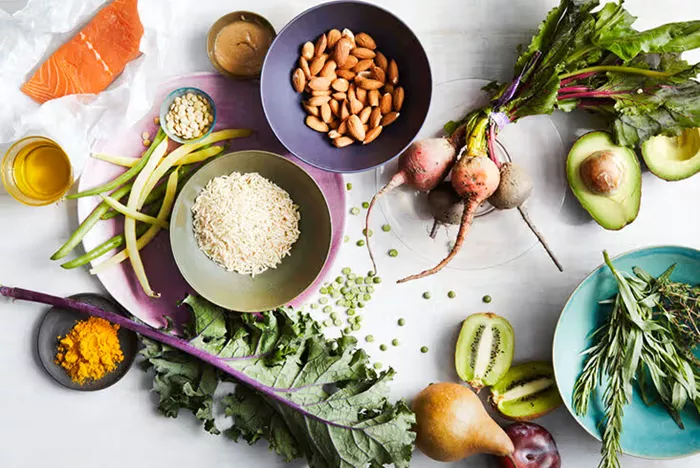
Many foods often labeled as “healthy” may actually be hindering weight loss and overall wellness—particularly for women over the age of 40, experts warn. As hormone levels shift and metabolism slows with age, nutritional needs change. Yet, some seemingly wholesome products may quietly lead to weight gain, inflammation, and digestive discomfort.
From smoothies to salad dressings, health professionals are highlighting 14 common foods that may be sabotaging efforts to maintain a healthy weight during midlife.
1. Artificial Sweeteners
Often chosen as a substitute for sugar, artificial sweeteners may backfire. Weight loss coach Joanna Wen says these additives can cause inflammation. “They may seem like a healthy alternative, but they can trigger the same problems you’re trying to avoid,” she explains. Natural sweeteners are typically a safer choice.
2. Snack Bars and Meal Replacements
Protein bars and meal replacement snacks often contain high levels of sugar, sugar alcohols, and additives. “These are closer to candy bars than balanced meals,” says registered dietitian Ro Huntriss. She advises choosing bars with higher protein and fiber, and minimal added sugar.
3. Almond Milk with Added Sugar
Almond milk may be dairy-free, but many brands include added cane sugar, increasing calorie intake. Dr. Amy Lee warns, “Those extra sugars are unnecessary and can contribute to weight gain.” She recommends unsweetened varieties or homemade versions for better control over ingredients.
4. Highly Processed Meat Alternatives
Plant-based burgers and meatless nuggets often contain preservatives, refined oils, and additives that may promote inflammation and weight gain. Nutritionist Jacek Szymanowski says the ultra-processing of these products undermines their health value.
5. Sugary Breakfast Cereals
Refined grains and added sugars make popular cereals a poor breakfast option. “They cause blood sugar spikes and crashes,” says nutritionist Lisa Richards. This can lead to bloating, inflammation, and mid-morning energy crashes.
6. Flavored Yogurts
Though yogurt is often viewed as a gut-friendly food, flavored versions are packed with sugars and artificial flavors. “They disrupt gut bacteria and can even cause migraines or rashes,” warns nutritionist Meena Bulaji. Plain, unsweetened yogurt is a safer choice.
7. Smoothies
Smoothies often contain large amounts of sugar in liquid form, which can disrupt digestion and lead to bloating. Personal trainer Alanna Kate Derrick notes that smoothies loaded with greens can also be tough on the stomach when consumed on an empty stomach.
8. Fruit Juice
Juicing fruits strips away fiber and concentrates sugars. Registered dietitian Sheri Berger points out that some juices contain as much sugar as soda. She recommends looking for “100% juice” with no added sugars—or better yet, eating whole fruit.
9. Low-Fat Salad Dressings
To replace fat, many low-fat dressings include sugar, high-fructose corn syrup, and artificial flavors. “These additives undermine the benefits of eating salads,” says dietitian Catherine Gervacio. She encourages homemade dressings using olive oil, lemon juice, and herbs.
10. Dried Fruit
Though dried fruits retain fiber, they’re also sugar-dense and easy to overeat. The lack of water makes them more calorie-heavy than fresh fruit, leading to unexpected weight gain.
11. Gluten-Free Packaged Snacks
Not all gluten-free products are healthy. Many are made with refined starches and sugars. This combination can increase hunger and promote fat storage. Whole food alternatives are a better option for sustained energy.
12. Avocado-Based Snacks
While avocados are a nutritious fat source, processed snacks like avocado chips and dips can be calorie-rich and high in sodium. Overeating them under the impression they’re “healthy” can cause unintended weight gain.
13. Whole Milk and Full-Fat Dairy
Whole milk contains saturated fat and calories that can interfere with weight loss efforts. Nutritionist Jay Cowin suggests choosing low-fat or non-fat dairy options. Dietitian Trista Best adds that even plant-based milks can be high in sugar, so label reading is essential.
14. Canned Fruit
Canned fruits often come in syrup or juice with added sugars. “They can spike blood sugar and contain fewer nutrients than fresh fruit,” says certified nutritionist Khushali Shah. She also notes the presence of preservatives and sodium as additional concerns.
Conclusion
Just because a product is labeled as “healthy” doesn’t mean it aligns with your body’s needs—especially for women over 40. Experts advise checking labels, limiting sugar and additives, and focusing on whole, minimally processed foods. When in doubt, simpler is often better.
READ MORE
Weight Loss Injections Pose Pregnancy Risks, UK Health Watchdog Warns
Women on Weight Loss Drugs Warned to Use Birth Control
8-Hour Time-Restricted Eating Supports Sustainable Long-Term Weight Loss
