
Prostate cancer ranks as England’s most common cancer among men, with NHS data showing a 25% surge in cases between 2019 and 2023 for both genders. It is the second deadliest cancer for men—claiming one life every 45 minutes—yet remains highly curable if detected early.
Notably, the UK lacks a formal screening program for prostate cancer, unlike countries such as the U.S., Czech Republic, and Lithuania, where men in specific age groups are offered the prostate-specific antigen (PSA) test, a simple blood screening.
Professor Prasanna Sooriakumaran, a urology expert at the University of Oxford and University College London Hospitals, highlights the impact of such programs: “Nations with formal PSA screening see far lower rates of advanced prostate cancer. In the UK, one in five men with prostate cancer present at an advanced, incurable stage, compared to under 10% in the U.S.—a gap directly linked to screening.”
What Is the PSA Test?
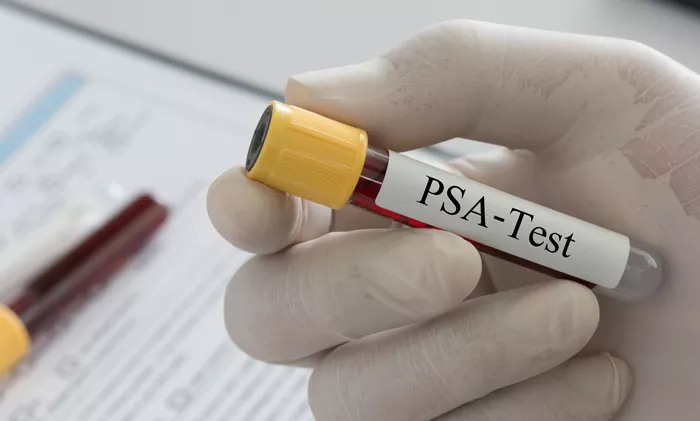
The PSA test measures levels of prostate-specific antigen, a protein produced by prostate cells. As David James, director of Prostate Cancer Research, explains, cancerous cells can allow more PSA to leak into the bloodstream, making it a potential indicator of tumors.
“Elevated levels don’t always mean cancer, but they often prompt further testing,” James notes. “It’s currently one of our best tools for catching prostate cancer early—sometimes before symptoms appear.”
Who Should Consider a PSA Test?
While not routinely provided by the NHS, men aged 50 and over can request a discussion with their GP about the test. Higher-risk groups—including Black men over 45 (due to increased ethnic risk), men over 45 with a family history of prostate cancer, and those with symptoms like blood in urine, erectile issues, or frequent urination—are strongly advised to consult a doctor.
Clément Orczyk, a consultant urological surgeon at University College London Hospitals, emphasizes that such symptoms are usually linked to non-cancerous conditions like age-related prostate enlargement, but testing is still recommended.
The Testing Process
Emma Craske, a specialist nurse for Prostate Cancer UK, clarifies that the PSA test is a standard blood draw. Contrary to common fears, an abnormal result typically leads to an MRI scan (more accurate than a digital rectal exam) rather than immediate invasive procedures.
How to Request a Test
Men can ask their GP for a PSA test, but Orczyk advises preparing for potential follow-ups: “The test isn’t cancer-specific, so results may cause unnecessary concern or false reassurance.”
Interpreting Results
PSA levels vary by age: for example, readings over 2.5ng/ml may be high for men 40–49, while over 6.5ng/ml is concerning for those over 70. Only 25% of high PSA results indicate cancer, as factors like infections or recent exercise can elevate levels.
Repeat testing over time helps identify trends, as “normal” levels differ individually, Sooriakumaran notes.
Next Steps After a High Result
Depending on risk factors and PSA levels, GPs may refer patients for an MRI or biopsy. Newer transperineal biopsies (through the perineum) are more accurate and safer than traditional rectal biopsies, with results taking 2–4 weeks on the NHS or 3–7 days privately.
Accuracy and Limitations
The PSA test has limitations: 75% of high results are false positives, and 15% of cancers are missed (false negatives). Repeat testing improves reliability.
Risks include unnecessary biopsies, which can cause infections, but advanced MRI scans and better biopsies are reducing these issues.
Treatment Options
If diagnosed, treatments vary by cancer stage and aggressiveness. Curative options for localized cancer include surgery, radiotherapy, or focal therapy (e.g., ultrasound or freezing). Low-risk cancers may be monitored, while advanced cases may require hormone therapy or radiotherapy.
READ MORE
£168M Fund to Use AI for Early Prostate Cancer Detection
Prepare For Your PSA Test: Essential Do’s And Don’Ts
Pros and cons of PSA screening for middle-aged and elderly men
