
Nestled across 600 acres in California, a luxury spa has become the talk of affluent wellness seekers, all thanks to “The Loop”—a state-of-the-art experience that’s redefining relaxation. Step inside, and guests are enveloped by 360-degree video screens that morph between serene scenes: schools of iridescent fish gliding through crystal waters, cherry blossoms unfurling in a soft spring breeze, or sunsets painting the sky in hues of amber and violet.
These visuals dance in perfect harmony with dynamic light effects, while the air hums with the rich tones of live cellists, the rhythmic pulse of taiko drums, and the melodic strains of violins. “It’s striking how many clients tell us this is the first time they’ve felt truly, completely at ease,” says Casey Ness, the spa’s director, noting that bookings for “The Loop” have surged 40% in the past six months.
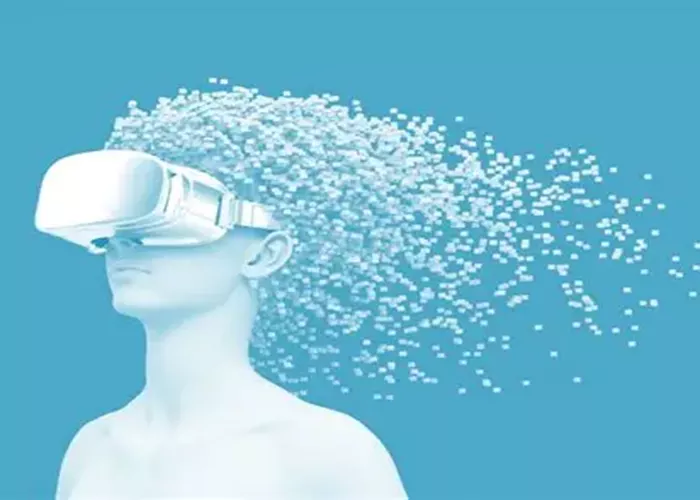
This isn’t an isolated phenomenon. From boutique retreats in Bali to five-star resorts in the Swiss Alps, “immersive digital health experiences” are emerging as the hottest trend in luxury wellness. These offerings go beyond traditional massages or facials, weaving together high-definition video streams, synchronized lighting, curated soundscapes, and even bespoke scents—think calming lavender or fresh ocean breeze—to create multisensory environments designed to melt away anxiety.
Next year, Texas will welcome the “Dream Bathhouse,” a sprawling, warehouse-sized space that marries age-old Turkish bath rituals with cutting-edge digital technology. Here, therapies like steam baths and exfoliating scrubs will be paired with dreamlike visuals—think floating galaxies or misty forests—that shift in real time based on users’ biometric data, such as heart rate and skin conductance. “Every element adapts to how you’re feeling,” explains founder Elena Brinkhoff. “If your heart rate spikes, the lights soften, the music slows, and the visuals shift to something more tranquil—like a quiet meadow at dawn.”
Yet, not everyone is convinced. Lisa Levine, a holistic therapist and founder of a Brooklyn-based healing studio, warns that these digital experiences may offer only surface-level relief. “It’s like putting a high-tech bandage on a deeper wound,” she argues. “Stress often stems from unaddressed emotional or lifestyle issues, and no amount of synchronized lights or sounds can fix that long-term.” Despite such skepticism, investors are pouring millions into the trend, betting that stressed-out consumers—overwhelmed by work, social media, and global uncertainties—will pay premium prices for moments of digital-driven calm.
As one regular at the California spa puts it: “In a world that’s always on, sometimes you need a space that’s fully immersive—one that shuts out the noise and lets you just be. Even if it’s temporary, it’s worth every penny.” Whether this trend is a fleeting fad or a lasting shift in wellness, one thing is clear: for now, immersive digital therapy is making waves—one synchronized light, note, and pixel at a time.
Related topics:
Experts Urge FDA to Revise Estrogen’s Black Box Warning
Chikungunya Found in Foshan; Health Officials Issue Guidelines
Phone AI Retinal Tracker: Early Diabetic Retinopathy Breakthrough
