
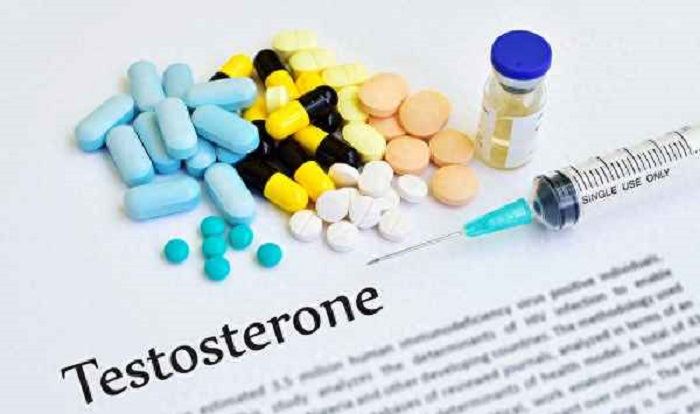
In recent times, a growing number of men, including young and seemingly healthy individuals, are turning to testosterone supplements and injections. This trend is driven by fitness trainers suggesting them for muscle gain and the constant onslaught of online ads claiming enhanced sex drive, energy, and mood.
The market is saturated with products like herbal Shilajit, protein powders, pills, and hormone injections, with the testosterone booster market in India valued at USD 5,514.95 million and growing fast.
Testosterone is a natural hormone mainly produced in the testicles, playing a crucial role in male characteristics and overall health. It helps build muscle mass, deepen the voice, grow body hair, and supports sexual function. It also contributes to bone health, mental well – being, and energy levels.
However, modern lifestyle factors such as obesity, stress, and an ageing population have led to a decline in natural testosterone levels, causing more men to seek testosterone therapy, both medically and recreationally.
It’s normal for testosterone levels to decrease with age, starting around 30 at a rate of about 1 – 2% per year. But other factors can speed up this decline, leading to symptoms like fatigue, mood changes, decreased libido, muscle loss, and more. If you suspect low testosterone, a simple blood test can confirm. Taking testosterone without a deficiency can do more harm than good.
Testosterone replacement is typically for men with hypogonadism due to medical issues. While it may improve energy, libido, and bone density for those who truly need it, for healthy men using it for muscle gain or performance, the benefits are uncertain and risky.
Externally taking testosterone can shut down the body’s natural production, and it can also lead to testicular shrinkage, reduced sperm count, and long – term infertility.
Many young people, on their trainer’s advice, are taking testosterone, which can stop sperm formation in 60% – 75% of men, and this effect may be difficult to reverse. Testosterone suppresses natural production by down – regulating the hypothalamic – pituitary – testicular axis.
The so – called “Alpha Male Syndrome” promoted on social media and in fitness culture has led to a surge in testosterone supplement sales. But medical reviews show that while testosterone therapy helps in diagnosed hypogonadism, there’s little evidence it benefits healthy men.
Testosterone therapy can be life – changing, but only for the right person, under the right circumstances, and with medical supervision. So, think twice before trying testosterone based on non – medical advice.
READ MORE
