
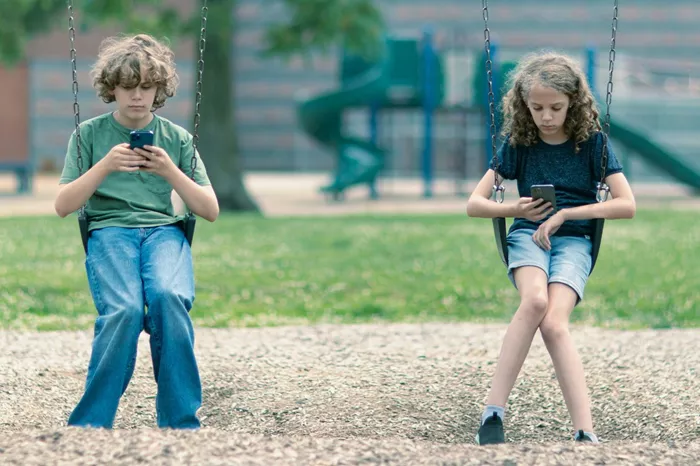
A recent study has revealed a concerning connection between early smartphone ownership and the mental health of children. The research indicates that kids who get their hands on smartphones before the age of 13, especially girls, may experience more negative mental health outcomes as they grow older.
The study, which was published in the Journal of Human Development and Capabilities, analyzed data from over 100,000 young adults between the ages of 18 and 24. These young adults filled out self-reported questionnaires. The questionnaires delved into various mental health symptoms, such as aggression, feelings of detachment, hallucinations, and suicidal thoughts. The results showed that for every year of smartphone ownership before the age of 13, there was an association with worse mental health outcomes.
Early access to smartphones was found to be related to lower self-image and self-worth in both boys and girls. However, the specific impacts differed between genders. Girls reported reduced emotional resilience and confidence, while boys reported feeling less calm, stable, and empathetic. Tara Thiagarajan, one of the study’s authors, stated in an emailed statement to ABC News that the earlier a child gets a smartphone, the more psychological exposure they have, which can shape their thinking and view of the world.
The statistics are alarming. Among young women, about 48% of those who had smartphones by the age of 5 or 6 reported having severe suicidal thoughts. In contrast, only 28% of females who got smartphones at 13 or older reported such thoughts. For young men, 31% of those with smartphones at 5 or 6 years old reported severe suicidal thoughts, compared to 20% of males who got smartphones at 13 or older.
The study authors believe that social media usage might be a significant factor contributing to the differences in mental health symptoms between young women and men. Other factors that seem to play a role in mental health outcomes include cyberbullying, poor sleep, and strained family relationships. Based on these findings, the study’s authors recommend several measures. They suggest restricting smartphone and social media access for kids under 13. Additionally, promoting digital literacy education and corporate accountability could also be beneficial.
Thiagarajan further added that ideally, children should not have a smartphone until age 14. When they do get one, parents should take the time to have a conversation with their children about proper Internet interaction and the consequences of various online actions. Dr. Tara Narula of ABC News also mentioned on “Good Morning America” that limiting kids’ access to social media is a crucial step in safeguarding their mental health. She said that the longer parents can delay their kids’ entry into social media, the better. Some families are getting creative, considering options like landlines or flip phones for kids, which allow communication without the additional risks associated with smartphones.
This study’s findings come at a time when there is a growing effort to limit kids’ smartphone use due to its impact on mental health. Social psychologist Jonathan Haidt, the author of “Anxious Generation,” has proposed setting nationwide “norms” or guidelines. These include not giving children a smartphone before high school, restricting social media use until age 16, and making schools phone-free zones. Pediatrician Dr. Natasha Burgert also emphasized the importance of parents setting a good example by using smartphones responsibly in front of their children.
The American Academy of Pediatrics recommends that families follow the 5 C’s of media use. This includes teaching kids and teens how to be safe online, as online content and advertisements may be aimed at an older audience. The 5 C’s are: considering the child’s personality and their reaction to media; thinking about the content of the media they consume; helping the child learn to manage emotions without relying on media; considering what activities the family can do together instead of consuming media; and frequently discussing media with children and promoting digital literacy.
In addition to these research-based insights, real-world examples also highlight the need for caution. In many schools around the world, cellphone bans have been implemented. For instance, in some regions, schools have prohibited students from using smartphones during school hours. This is because smartphones can be a distraction in the classroom and may contribute to cyberbullying incidents. Some schools have reported that after implementing the bans, there has been an improvement in students’ focus and a reduction in behavioral problems.
Moreover, as smartphones become more integrated into daily life, it’s essential to be aware of the potential risks they pose to children’s mental health. Parents, educators, and policymakers need to work together to find the right balance between allowing children to benefit from technology and protecting their mental well-being. This may involve setting clear rules at home and school, providing digital literacy education, and promoting healthy offline activities.
READ MORE
World‑first IV psilocin trial begins for binge eating disorder treatment
Screen‑Time, Hormones, and Rumination Fuel Nighttime Anxiety Cycles
