
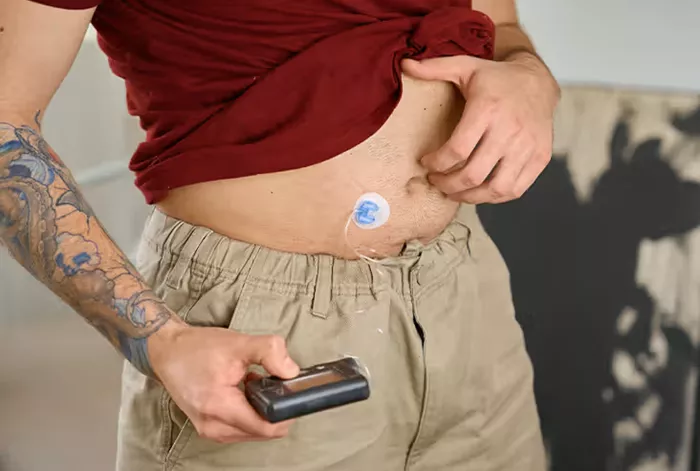
A six‑year longitudinal study has revealed that minor elevations in blood glucose—well below diabetes thresholds—can significantly impact men’s reproductive and sexual health. The findings suggest that metabolic health may play a more critical role than aging or testosterone levels in preserving virility.
What the Study Found
Participants: 200 healthy men aged 18–85, tracked from 2014 to 2020 (117 remained by the end).
Measurements: Researchers monitored sperm motility, erectile function (via IIEF questionnaire), hormone levels, BMI, and HbA1c (hemoglobin A1C).
Key Result: Even minimally elevated HbA1c—below the 6.5% diabetic cutoff—led to measurable declines in sperm movement and erectile function.
Age vs Sugar: Age and testosterone showed little correlation with erectile function. Metabolic shifts, particularly blood sugar rises, proved to be the strongest predictors.
Testosterone & Libido: While testosterone did not directly impact erectile performance, it maintained a stronger association with libido.
Expert Perspective
Dr. Michael Zitzmann from Muenster’s University Hospital emphasized the need to reassess traditional beliefs:
“Although age and testosterone levels have long been considered an impetus for men’s declining sexual health, our research indicates that these changes more closely correlate with modest increases in blood sugar and other metabolic changes.”
The study suggests that men don’t need to wait for frank diabetes to impact their reproductive health—rather, subtle metabolic imbalances can initiate a decline.
What This Means for Men
Monitor Blood Sugar Early: Even HbA1c levels below 6.5% can affect sperm quality and erectile function.
Lifestyle First: Diet, exercise, and weight management are powerful tools for stabilizing blood sugar and protecting reproductive health.
Broad Health Benefits: Improved metabolic health boosts not just sexual function, but also cardiovascular and overall wellbeing.
Practical Tips
Maintain a balanced diet rich in fibre, lean protein, healthy fats, and low‑GI carbohydrates.
Engage in consistent physical activity to improve insulin sensitivity and support weight control.
Aim for regular check‑ups that include HbA1c screenings, even before age 45.
Avoid smoking, excessive alcohol, and sedentary habits that exacerbate metabolic decline.
Why It Matters
Prior assumptions often place age and testosterone at the center of male reproductive health decline. But this study flips the narrative, proving that metabolic changes, especially blood sugar increases, could be the hidden culprits.
Given the design—tracking healthy men without diabetes, heart disease, or cancer over time—the conclusions have strong grounding. Still, researchers stress the preliminary nature of these findings, as they await peer‑review and journal publication.
Moving Forward
Clinical Practice: These insights are already being integrated into urology and endocrinology discussions, guiding doctors and patients toward early metabolic screening.
Public Education: Health campaigns should raise awareness that even non‑diabetic blood sugar increases can have tangible reproductive consequences.
Research Agenda: Future trials may compare lifestyle versus medication interventions (like GLP‑1 agonists) in preventing and reversing early metabolic impacts on sexual health.
In summary, the message is clear: men can proactively preserve their sexual and reproductive wellbeing by prioritising metabolic health. Managing blood sugar isn’t just about preventing diabetes—it’s about safeguarding virility.
Related topics:
Best 10 Supplements for Male Virility
