
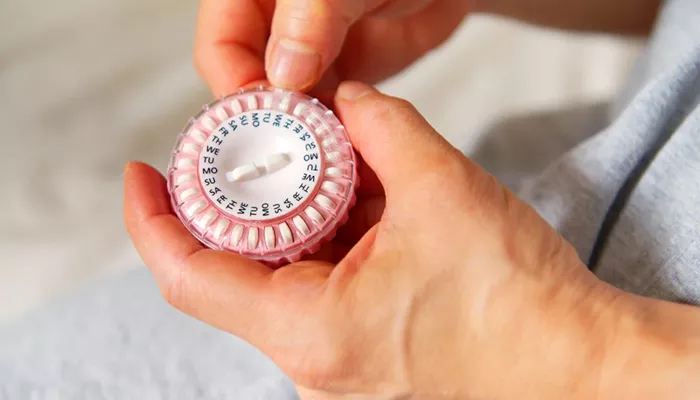
A newly published global study has reignited concerns about hormone therapy (HT) and breast cancer, specifically in younger women. The research, featured in The Lancet Oncology, analyzed data from nearly half a million women aged 16 to 54 to examine the link between early-onset breast cancer and hormone therapy use.
According to Dr. Elizabeth Poynor, a gynecologic oncologist and women’s health expert, the results reaffirm previous findings: estrogen-only hormone therapy appears safe and may even reduce breast cancer risk.
However, the combination of estrogen and progestin—often prescribed to women who still have their uterus—was associated with a modest increase in breast cancer risk before age 55. The cumulative risk rose from 4.1% in non-users to 4.5% in those on combined therapy—roughly four additional cases per 1,000 women.
Dr. Poynor emphasized that not all hormones are created equal. Synthetic progestins, particularly older formulations, are more likely to elevate breast cancer risk, while bioidentical progesterone (a more modern, natural alternative) appears safer and is increasingly preferred by physicians. She also highlighted that the study did not specify which hormone types participants used, making it difficult to draw firm conclusions.
Furthermore, Poynor stressed that progestins still play an essential role in hormone therapy. Estrogen alone can cause the uterine lining to grow excessively, increasing cancer risk, which is why combined therapy is critical for women with an intact uterus. Estrogen-only therapy is typically reserved for those who’ve had a hysterectomy.
Importantly, the findings only apply to younger women. Women over 55—those already in menopause—are not the focus of this study and may not face the same risk profiles.
This study was observational, not a randomized clinical trial. That means the data was drawn from past records, not controlled interventions, so while it suggests correlations, it doesn’t prove causation. As such, treatment guidelines are unlikely to change based on this study alone.
Dr. Poynor continues to prescribe hormone therapy for patients experiencing menopause-related symptoms such as hot flashes, sleep disruption, cognitive fog, and metabolic changes. She encourages more research focused on today’s bioidentical hormone options to clarify their safety profile.
While estrogen-progestin therapy may slightly raise the risk of early-onset breast cancer, modern HT remains a valuable tool for managing menopause symptoms and improving quality of life. Women should work closely with their healthcare providers to weigh the risks and benefits of different treatment options based on personal health history.
Related topics:
