
In a major medical breakthrough, doctors in the UK have announced the successful birth of eight healthy babies through a pioneering IVF technique designed to prevent the inheritance of incurable mitochondrial diseases.
The innovative procedure, known as mitochondrial donation treatment (MDT), involves using DNA from three people—two women and one man—to create embryos with healthy mitochondrial DNA.
The births mark a significant advancement in reproductive and genetic medicine, providing new hope to families carrying mitochondrial disorders. These diseases are caused by mutations in mitochondria—tiny structures responsible for producing energy in cells—and can lead to severe, often fatal, conditions affecting the brain, heart, and muscles in early childhood. About one in every 5,000 newborns is affected globally.
The eight babies—four girls and four boys, including one set of identical twins—were born to seven women who were at high risk of transmitting mitochondrial disease. Genetic testing confirmed that all infants carried little to no mutated mitochondria, and all are currently healthy and meeting developmental milestones.
“This is a significant milestone for families living with mitochondrial disease,” said Professor Doug Turnbull, a lead researcher on the project. “To see these children thriving is both a relief and a reward after decades of work.”
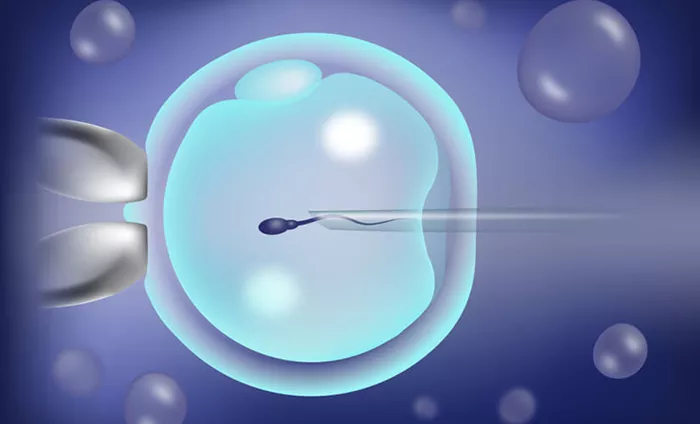
The procedure involves fertilizing the mother’s egg with the father’s sperm, then transferring the nucleus—containing the parents’ chromosomes—into a donor egg that has had its own nucleus removed but contains healthy mitochondria. This creates a fertilized egg with DNA from three individuals, which is then implanted into the mother’s womb.
While one child experienced a urinary infection and another brief muscle jerks, these were unrelated to the genetic treatment and resolved with standard care. A third baby had heart rhythm issues linked to a maternal pregnancy condition, not the procedure itself.
The landmark development was made possible after the UK became the first country to legalize mitochondrial donation in 2015. The Newcastle University fertility clinic received the first license in 2017 and has since been leading the way in clinical application.
“Science gave us a chance,” said the mother of one of the babies. “After years of uncertainty, this treatment gave us hope – and then it gave us our daughter.”
Not all women with mitochondrial mutations are candidates for pre-implantation genetic testing (PGT), which helps select eggs with fewer mutations. For those whose eggs all carry high mutation levels, MDT is the only viable path to having genetically related children without risk of disease.
Out of 22 women undergoing MDT, eight became pregnant, while 16 out of 39 became pregnant through PGT. The difference in pregnancy success rates is still under investigation, though researchers suggest mitochondrial mutations may affect fertility.
As research continues, the ultimate hope is that mitochondrial donation becomes a globally available option—offering more families a chance at a healthier future, free from inherited disease.
Related topics
