
Scientists at Stanford University have made a striking discovery: the human body doesn’t have a single age—each organ has its own “biological age.” This metric may better predict health and even lifespan than chronological age, and with just a drop of blood, it can reveal if any organ is aging prematurely.
To uncover clues about organ aging, researchers analyzed data from over 44,000 participants aged 40–70 in the UK Biobank, focusing on nearly 3,000 proteins in their blood. About 15% of these proteins were traced to specific organs, while others came from multiple organs. Using computational models, the team created “protein profiles” for organs across different age groups. By comparing an individual’s blood proteins to these profiles, they assigned a “biological age” score to major organs/systems. An organ was deemed “extremely aged” or “extremely young” if its score deviated by more than 1.5 standard deviations from the average for its age group.
Results showed one-third of participants had at least one “extremely aged” organ, and a quarter had multiple organs aging faster than normal.
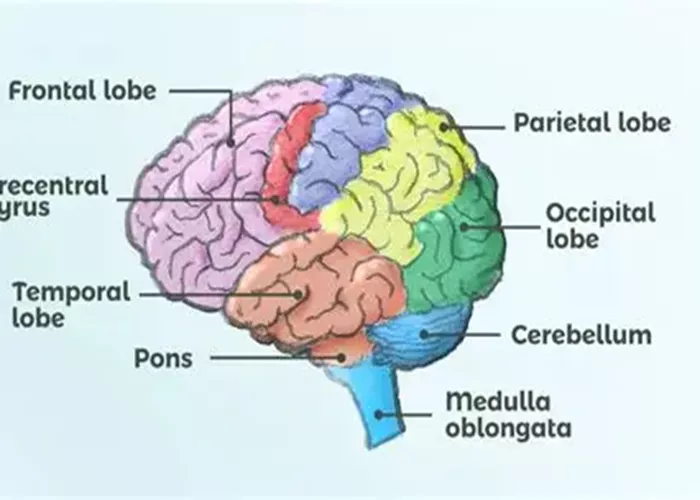
Which organ’s age is most critical? The brain.
Premature brain aging sharply raises the risk of Alzheimer’s disease: those with an “extremely aged” brain were 12 times more likely to develop the disease within a decade than those with a “young” brain. They also faced a 182% higher risk of death over 15 years, while the group with the “youngest” brains had a 40% lower death risk. Clearly, the brain acts as a key “gatekeeper” for health and longevity.
Other organs’ ages tie closely to disease risks: a prematurely aged heart increases odds of arrhythmia or heart failure; lung aging raises risks of chronic obstructive pulmonary disease; and aging of the kidneys, liver, or pancreas links to higher rates of diabetes, liver, or kidney disease. In short, faster aging in an organ makes related diseases more likely.
This research not only aids disease prediction but could also measure the effectiveness of anti-aging therapies. By tracking changes in “organ age,” we might stop diseases before they appear—shifting medicine from “treating what hurts” to “preventing what ages.”
Future check-ups may include a blood test that reveals not just blood pressure or cholesterol levels, but whether your brain is 5 years older or 10 years younger than your chronological age.
Related topics:
Semen Analysis Offers Clues About Men’s Overall Health
Slightly High Blood Sugar May Harm Men’s Sexual Health Most
New Men’s Supplement Brand Promotes Strength With Natural Minerals
