
The number of babies and toddlers accidentally exposed to nicotine has risen sharply in recent years, according to a new study. Most of these poisonings happened at home and involved popular nicotine products like pouches and vape liquids.
Between 2010 and 2023, U.S. poison control centers recorded 134,663 cases of nicotine poisoning in children under the age of 6. The research, published Monday in Pediatrics, highlights growing concern over these incidents.
Nicotine pouches — such as the brand Zyn — have been linked to the biggest increase in poisonings. These pouches, which are marketed as tobacco-free and spit-free, have become increasingly popular in the U.S.
In just three years, the rate of nicotine pouch-related poisonings in kids under 6 jumped by 763%, rising from 0.48 cases per 100,000 children in 2020 to 4.14 in 2023.
Nicotine Pouches Pose Serious Risk to Small Children
Nicotine pouches are placed between the lip and gum, similar to chewing tobacco. Though they contain no tobacco leaf, they can hold up to 6 milligrams of nicotine — a powerful stimulant. Despite being promoted as cleaner alternatives to smoking, they are not approved by the U.S. Food and Drug Administration as aids to help quit smoking.
Sales of these products have skyrocketed. According to a 2021 study from the CDC, sales rose from just $709,000 in 2016 to $216 million by mid-2020.
Dr. Molly O’Shea, a pediatrician in Michigan and spokesperson for the American Academy of Pediatrics, said the trend was predictable. “It was just a matter of time before they fell into the hands of younger kids,” she said. “It’s unfortunate, but not shocking.”
Why Nicotine Is Especially Dangerous for Young Kids
Nicotine is extremely toxic in small amounts. It raises heart rate and blood pressure and can cause nausea, vomiting, seizures, or even coma, according to a 2013 study.
While most poisoning cases didn’t require emergency treatment, 39 children suffered severe symptoms like trouble breathing and seizures. Two children — both under 2 years old — died after ingesting liquid nicotine from vape products.
Natalie Rine, one of the study’s authors and director of the Central Ohio Poison Center, said that while most cases were mild, “two deaths is a lot, especially for something considered a preventable death.”
Infants and Toddlers Most Affected
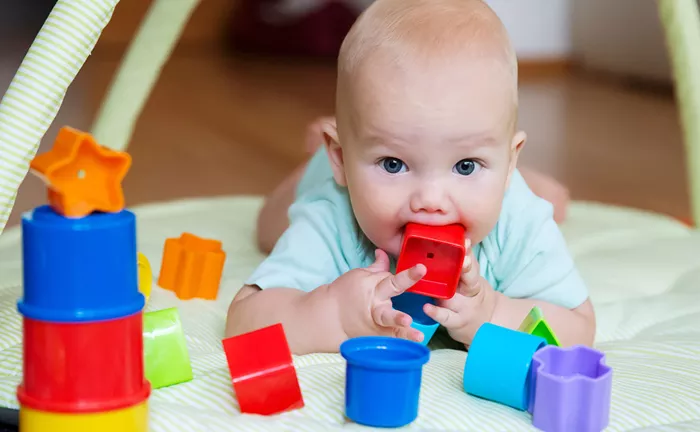
The study found that 76% of poisoning cases involved babies and toddlers under the age of 2. These children are naturally curious and often explore their surroundings by putting things in their mouths.
Nicotine pouches are especially tempting for small children because they come in fruit and mint flavors. They are also often stored in places that are easy for children to reach — like purses, countertops, or pockets — and lack child-resistant packaging.
Dr. O’Shea emphasized that all nicotine products should be locked away. “That doesn’t mean in your purse, in your back pocket or on the counter,” she said. “It means locked away.”
Teens May Also Be a Source of Risk
It’s not only parents and caregivers who must be careful. Teenagers are also using these products in increasing numbers, and may unintentionally leave them where younger children can find them.
A study from the Keck School of Medicine at the University of Southern California reported that nicotine pouch use among high school students nearly doubled between 2023 and 2024.
“It’s easy for a teenager to be using this product and have parents be unaware,” said O’Shea. “It’s important for parents to be talking with their teenagers about products like this and having open dialogue in a nonjudgmental way.”
Preventing Nicotine Poisoning at Home
To reduce the risk of nicotine poisoning:
- Store all nicotine products out of children’s reach — ideally locked in a cabinet.
- Avoid flavored nicotine products that may attract children.
- Educate teenagers about the risks of nicotine and the importance of safe storage.
- Save the national poison control number — 1-800-222-1222 — in your phone.
While most children recover from these incidents, experts stress that all nicotine poisonings are preventable. The growing use and accessibility of nicotine pouches make it more important than ever to stay vigilant.
You Might Also Like
How To Aid Your Baby’s Sleep When They Have A Stuffy Nose
