
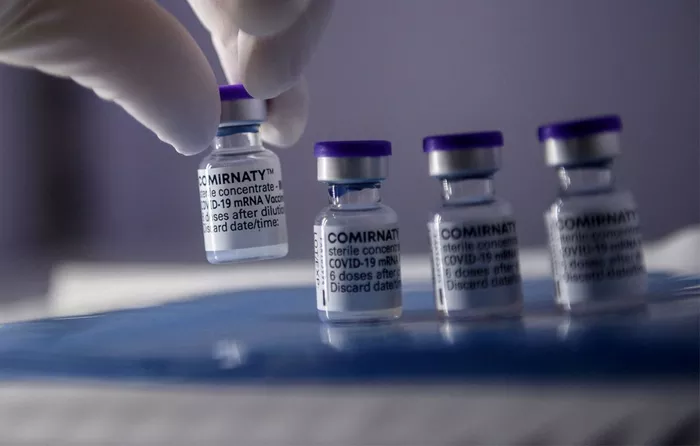
Researchers in Israel have created the world’s first mRNA-based vaccine to fight a deadly, antibiotic-resistant bacterium—using technology originally developed for COVID-19 vaccines.
Scientists from Tel Aviv University and the Israel Institute for Biological Research in Ness Ziona adapted the same platform used in mRNA COVID-19 vaccines to target the bacteria responsible for plague. In animal trials, the vaccine showed 100% protection against infection, marking a major step toward new ways of fighting dangerous bacterial diseases.
A Breakthrough in Bacterial Vaccine Technology
The new vaccine uses lipid nanoparticles to deliver synthetic mRNA into the body—just like Pfizer and Moderna’s COVID-19 shots. However, while mRNA vaccines have proven effective against viruses, they are rarely used for bacterial infections, which behave very differently.
Viruses need human cells to replicate. Once inside, they hijack the cell’s machinery using mRNA. This made them a natural fit for the mRNA vaccine model, which teaches the immune system to recognize and destroy viral proteins. Bacteria, by contrast, are self-sufficient. They don’t need human cells to grow, and their proteins are very different from those found in viruses or humans.
That’s what made this breakthrough so significant. The research team, led by Prof. Dan Peer from Tel Aviv University and scientists including Dr. Uri Elia, Dr. Yinon Levy, Dr. Emmy Mamroud, and Dr. Ofer Cohen, found a way to create bacterial proteins inside human cells using engineered mRNA. This tricked the immune system into recognizing them as threats.
Targeting the Plague Bacterium with mRNA
To test their vaccine, the team focused on Yersinia pestis—the bacterium behind the bubonic plague, also known as the Black Death. This disease once wiped out nearly two-thirds of Europe’s population in the 14th century and still causes occasional outbreaks today, particularly in places like Madagascar.
In earlier work, the team developed a vaccine against a skin-based version of the disease. In the latest study, they went further—targeting pneumonic plague, a more dangerous form of the illness that spreads from person to person through the air.
This version is harder to fight, so the team used two bacterial proteins, or antigens, in the vaccine. After giving two doses to animals in lab trials, the results were striking: full protection against infection.
“The animals didn’t get sick at all,” said Prof. Peer. “This shows mRNA can be used to fight bacteria, not just viruses.”
A Step Toward Preventing Future Pandemics
Dr. Elia, a key researcher from the Israel Institute for Biological Research, stressed the ongoing threat of Yersinia pestis. While no plague vaccines are currently approved in Western countries, the bacterium remains dangerous—both as a natural threat and as a potential bioterrorism weapon.
“This bacterium is extremely lethal and very contagious,” said Dr. Elia. “We need to be ready in case it’s used as a weapon. This new vaccine gives us that option.”
New Hope for a Wider Range of Bacterial Threats
The study’s results, published on the cover of the journal Advanced Science, open the door for future mRNA vaccines targeting other deadly bacteria.
In 2023, the same team showed that it was possible to mimic bacterial proteins using mRNA technology. Now, with this successful test against plague, they’ve taken a major step forward in vaccine science.
Prof. Peer believes this is just the beginning: “This success paves the way for a whole new world of mRNA-based vaccines against dangerous bacteria that were previously considered untreatable.”
You Might Also Like
How Can Bacterial Diseases Be Treated?
