
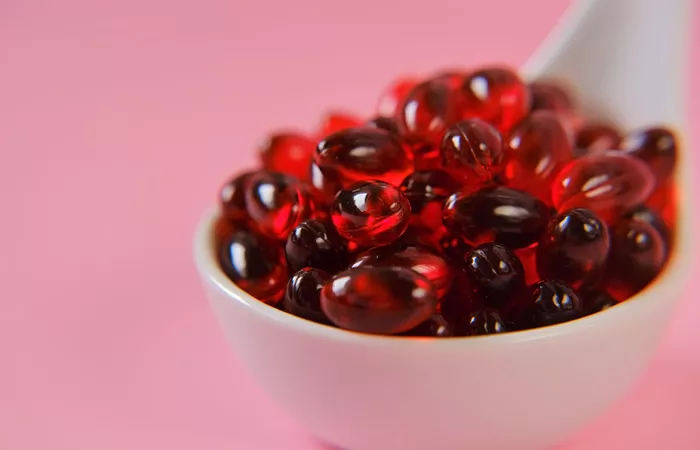
Krill oil, made from tiny shrimp-like creatures found in Antarctic waters, is a popular alternative to traditional fish oil. Like fish oil, it contains omega-3 fatty acids known to support heart health and reduce inflammation. Some experts believe krill oil may be easier for the body to absorb, but questions remain about its cost and effectiveness.
What Makes Krill Oil Different?
Krill oil contains two important omega-3 fatty acids: EPA (eicosapentaenoic acid) and DHA (docosahexaenoic acid), just like fish oil. However, its standout feature is astaxanthin, a natural red antioxidant also found in salmon and shrimp. Astaxanthin gives krill oil its color and may help protect the eyes and fight inflammation.
Studies on krill oil show mixed results. A 2023 analysis found no clear benefit for blood pressure or heart disease risk. Still, older studies suggest krill oil may help relieve symptoms like dry eyes or PMS, possibly due to its antioxidant properties.
Dietitian Sue-Ellen Anderson-Haynes says changing your overall diet may be just as helpful for PMS symptoms. She notes that omega-3s from whole foods offer added nutritional benefits.
Is Krill Oil Worth the Higher Cost?
Krill oil is often three to four times more expensive than fish oil. The high price comes from the cost of harvesting krill in dangerous Antarctic waters. Large ships, sometimes called “floating krill oil factories,” are needed to catch and process the krill.
Judy Simon, a clinical dietitian at UW Medical Center, questions the value. “The price is much higher, and I don’t think they’ve proven a cost-benefit for it,” she told Verywell.
Is Krill Oil Safe to Take?
Like fish oil, krill oil may increase the risk of bleeding, especially when combined with blood-thinning medications. Some people may also experience bloating, nausea, diarrhea, gas, or heartburn. Those with shellfish allergies should avoid it altogether.
Most health experts recommend getting omega-3s from whole foods instead of relying on pills. Foods like fatty fish, seaweed, walnuts, flax seeds, and chia seeds are rich in omega-3s. Krill is also used in fermented shrimp paste and is available canned.
“You’re getting other nutrients and antioxidant activities from the foods,” said Anderson-Haynes. “A food-first approach is best.”
READ MORE
Is Krill Oil Good For Menopause?
