
South Asia is facing a growing health crisis, as anaemia continues to affect millions of adolescent girls and women. A new report from UN agencies and the South Asian Association for Regional Cooperation (SAARC) warns that the region is now the global epicentre of this condition.
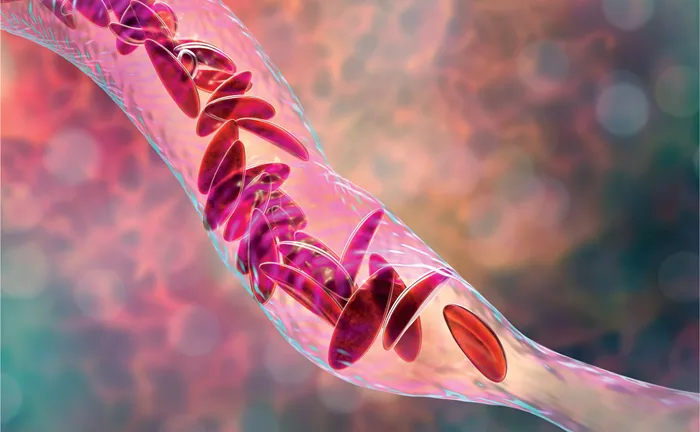
More than 259 million women and girls in South Asia suffer from anaemia. This condition weakens the blood’s ability to carry oxygen and leads to fatigue, poor health during pregnancy, and reduced performance in school and work.
“When half of all adolescent girls and women in South Asia are anaemic, it is not only a health issue – it is a signal that systems are failing them,” said Sanjay Wijesekera, UNICEF’s Regional Director.
A Preventable and Costly Health Burden
Anaemia is not limited to women. It also harms child growth, lowers birth weights, and makes learning harder, especially in poorer households.
The condition places a huge strain on South Asia’s economy, costing an estimated $32.5 billion every year. This further deepens poverty and poor health in affected communities.
But health experts say that anaemia can be prevented and treated. Solutions include:
- Iron and folic acid supplements
- Better diets rich in vitamins and iron
- Improved sanitation
- Stronger maternal healthcare
Working together across different sectors is essential to make lasting progress.
Countries Scaling Up Action
Most countries in the region are already taking steps. In Sri Lanka, where nearly 1 in 5 women of reproductive age are anaemic, the government is expanding its nutrition programs in the hardest-hit areas.
India has begun to add iron supplements to school and maternal care services in high-risk states. Pakistan is testing nutrition programs linked to reproductive health to help detect and treat cases early.
In Bangladesh, school health programs are giving fortified meals to teenagers. Ministries of health, education, and agriculture are working together to coordinate efforts.
Community-Based Programs Making a Difference
Maldives and Bhutan are investing in prevention by supporting child nutrition, food fortification, and public education campaigns. These smaller nations are also building systems to track anaemia cases more closely.
Nepal is showing impressive results. Since 2016, anaemia among women of reproductive age has dropped by 7%, with the biggest gains seen in poorer regions.
This progress is driven by local volunteers who offer health advice and connect families with services. In Karnali Province, public health nurse Man Kumari Gurung said pregnant women are now receiving healthy food and financial support to access hospitals.
“Programmes like Nutrition Gift for New Mothers are helping improve birth outcomes and nutrition,” she explained.
Everyone Has a Role to Play
To end anaemia, experts stress the need for leadership, coordination, and action at all levels. Governments must lead, but support is needed from schools, families, health workers, and local communities.
Better health systems and shared data will ensure that girls and women get the care they need. This will help them thrive—and help build stronger economies.
“Young people and mothers are at the heart of South Asia’s development goals,” said SAARC Secretary General Md. Golam Sarwar. “Ensuring that they are healthy and empowered is not just a moral duty – it is a smart investment in our future.”
READ MORE
