
Neurodevelopmental and mental health disorders that start in childhood or adolescence—such as autism, depression, and schizophrenia—still lack effective treatments.
This makes it very important to understand what causes these conditions. Each disorder has many genetic and environmental risk factors. One key factor is exposure to strong immune activation or stress during the perinatal period (around birth).
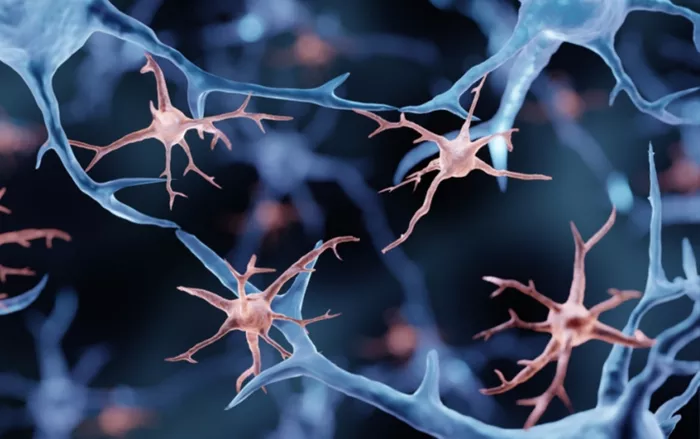
Microglia are the brain’s resident immune cells. They play a crucial role in brain development and are very sensitive to early life experiences.
Research shows that microglia change in response to immune activation or stress early in life. These changes affect how microglia interact with brain synapses and circuits, which are essential for normal brain function.
Studies also link these microglial changes to brain differences seen in autism, depression, and schizophrenia. Understanding how early immune stress affects microglia can help explain how these disorders develop. This knowledge points to important areas for future research to find new treatments.
In summary, microglia act as key mediators connecting early life immune stress to mental health outcomes later in life. Exploring their role could unlock new paths to prevent or treat these complex brain disorders.
