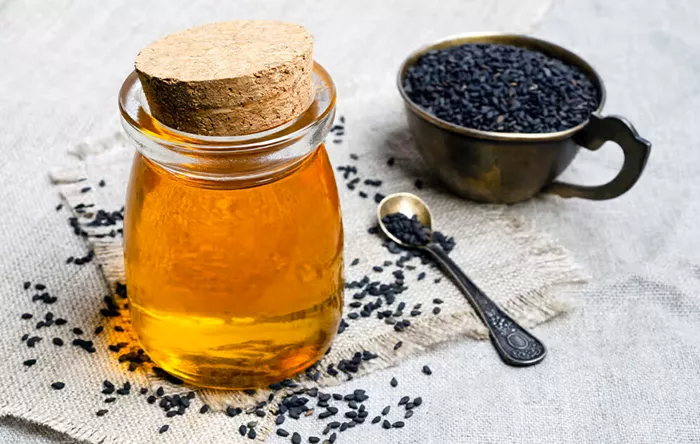
Black seed oil has become a hot topic on TikTok, where influencers claim it helps with everything from weight loss to glowing skin. But is this ancient remedy really the miracle cure it’s made out to be?
Used for centuries and even mentioned in Islamic texts, black seed oil—also known as Nigella sativa—has long been praised for its healing powers. Now, it’s back in the spotlight, with promises of improving sperm quality, aiding prostate health, and encouraging hair growth. But how much of that is fact—and how much is hype?
We spoke with doctors, dietitians, and herbal medicine experts to break down what black seed oil can—and can’t—do for men’s health.
What Is Black Seed Oil?
Black seed oil isn’t new. It was discovered in the tomb of King Tutankhamun and has been used for centuries in the Middle East and Asia. It comes from the Nigella sativa plant and is often compared to cumin in terms of appearance and taste.
According to functional dietitian Jenna Volpe, the oil is extracted from the seeds through a cold-pressing process that helps preserve its nutrients and antioxidants. The result is a thick, dark oil packed with micronutrients.
This oil can be taken by mouth—often in capsule form—or used topically on the skin. Some people even add it to food, though heating it too much can reduce its benefits.
1. Claim: Black Seed Oil Is Good for the Skin
Reality: True—It Can Help With Inflammation and Hydration
Dermatologist Dr. Nava Greenfield says black seed oil works as a natural moisturizer and can support the skin barrier. Its fatty acids help strengthen and repair the skin.
Its anti-inflammatory and antibacterial effects make it useful for skin conditions like acne and eczema. One key compound—thymoquinone—is largely responsible for its healing properties. Volpe says it protects skin cells from damage and promotes wound healing.
You can mix a few drops into lotion or apply the oil directly to affected areas. But remember—just a little goes a long way.
2. Claim: It Can Lower Cholesterol
Reality: Somewhat True—But Only Slightly
Black seed oil contains heart-healthy fats, including oleic and linoleic acid. Its anti-inflammatory power may help protect the heart by lowering blood pressure and reducing plaque in arteries.
A small study from the NIH showed that taking two teaspoons a day for six weeks slightly reduced cholesterol levels. However, cardiologist Dr. Robert Ostfeld stresses that a plant-based diet, regular exercise, and medications like statins are far more effective.
In short, black seed oil can be a helpful addition—but it’s no substitute for proven heart-health strategies.
3. Claim: It Promotes Weight Loss
Reality: Not Really—Don’t Expect Miracles
Some believe black seed oil helps with weight loss due to its impact on insulin resistance. While better insulin sensitivity can support metabolism, experts agree that the oil alone won’t melt pounds.
Dr. Sam Setareh explains that improved glucose control doesn’t directly lead to fat loss. And because the oil is calorie-dense—about 120 calories per tablespoon—too much can backfire on your weight goals.
“Sustainable weight loss still depends on eating well, moving regularly, and sometimes using medications,” says Dr. Ostfeld.
4. Claim: It Helps With IBS Symptoms
Reality: Potentially True—But More Research Is Needed
One study showed that people with Irritable Bowel Syndrome (IBS), especially those dealing with diarrhea, felt better after using black seed oil. Experts believe this is due to its gut-soothing and anti-inflammatory effects.
Dr. Shida Haghighat, a gastroenterologist, says the compound thymoquinone shows promise for treating common gut issues like indigestion and bloating. However, she also warns that it can cause side effects like nausea or diarrhea.
She recommends speaking to a doctor before using it, especially if you’re taking other medications.
5. Claim: It Supports Prostate Health and Sperm Quality
Reality: Possibly—But the Science Isn’t Strong Yet
One small study in 2014 found that black seed oil improved sperm quality. Urologist Dr. Daniel Brison says results are promising but far from conclusive.
Black seed oil’s anti-inflammatory nature might benefit the prostate, but no solid evidence links it to a lower risk of prostate cancer.
“There are hints that thymoquinone could help reduce oxidative stress and support DNA health in prostate cells,” Dr. Brison notes. But again, more research is needed.
For now, a balanced diet and maintaining a healthy weight remain the best ways to support male fertility and prostate health.
6. Claim: It Boosts Hair Growth
Reality: False—No Scientific Proof Exists
Despite bold claims on supplement labels, there’s no solid research proving that black seed oil helps grow hair or prevent hair loss.
Dr. Shaun Williams, a reproductive endocrinologist, says men looking to support healthy hair should focus on nutrients like protein, vitamin D, iron, and zinc. Hair loss can also indicate an underlying health issue, so it’s wise to check with a doctor.
Conclusion
Black seed oil does offer some real benefits—particularly for the skin and digestive system—and it may mildly support heart health. But many of the boldest claims, especially around weight loss, hair growth, and prostate support, are overstated.
If you’re thinking of adding black seed oil to your routine, speak with a healthcare provider to make sure it’s safe and won’t interact with other medications. Used wisely, this ancient remedy can play a role in a healthy lifestyle—but it’s not a magic bullet.
Read more:
- Just Two Workouts a Week Can Help Burn Fat and Lower Blood Sugar
- How Much Protein You Really Need for Bigger Muscles
- What’s the Average Male Bicep Size — And Why It Matters