
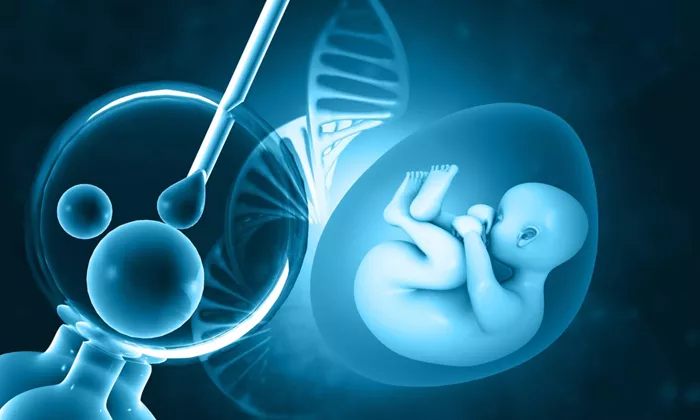
A new genetic screening tool is now giving parents undergoing in vitro fertilization (IVF) the ability to assess embryos for a wide range of health-related genetic traits. While the technology holds promise for reducing inherited diseases, it also raises deep ethical questions about the future of human reproduction.
The tool, developed by U.S.-based biotech company Nucleus, allows couples to evaluate embryos for over 1,000 genetic traits and conditions. These include single-gene disorders like cystic fibrosis, as well as complex conditions like heart disease, cancer, and mental health risks such as anxiety and ADHD. But critics warn that choosing embryos based on genetic profiles may blur the line between disease prevention and genetic enhancement.
Preventing Genetic Illnesses Before Birth
Genetic disorders are a major cause of infant death in the United States, linked to about 41% of cases. Over 2 million American children live with genetic conditions. Nucleus aims to address this problem by using advanced software to screen embryos before implantation.
Kian Sadeghi, CEO of Nucleus, was inspired to develop the technology after losing his 15-year-old cousin to a genetic condition. “Seeing how much chance plays a role in life and death really stayed with me,” he told Newsweek.
The system goes beyond simply detecting known mutations. It also uses polygenic scoring, a method that analyzes up to a million genetic markers to predict a person’s risk for developing certain diseases. Conditions like type 2 diabetes, breast cancer, and coronary artery disease can be flagged using this score.
Jerry Lanchbury, a member of Nucleus’ scientific advisory board, says these predictions allow for more accurate risk assessments—not just in embryos, but also in adults. He believes the tool could help parents make more informed decisions and allow for early intervention or prevention of deadly conditions.
In fact, studies show that whole genome sequencing could have saved five out of seven infants who died from genetic diseases if testing had occurred earlier. Countries like the U.K. are already incorporating genome sequencing into routine medical care to catch high-risk conditions earlier.
Potential Benefits—and Deep Ethical Dilemmas
The potential health benefits are clear to many, including U.S. Congresswoman Debbie Wasserman Schultz, who survived breast cancer caused by a BRCA gene mutation. She supports using IVF screening to break cycles of hereditary disease in families. “IVF can be a godsend for people with inherited risks,” she said.
However, the broader use of embryo selection raises difficult ethical issues. Jason Thacker, a professor of ethics and philosophy, cautioned that choosing embryos based on genetic traits—especially non-medical ones—might send the wrong message about whose lives are considered valuable.
“Every fertilized embryo is a unique human being with dignity and rights,” Thacker told Newsweek. He warned against treating embryos as commodities and emphasized the need to consider how these decisions might impact future generations.
Even traits like IQ can now be screened, with the tool offering parents the ability to select embryos with a slightly higher average intelligence. But intelligence genes are also linked to risks for disorders like schizophrenia, ADHD, and autism. “We want parents to understand that traits and disease risks are genetically connected,” said Sadeghi. “Our goal is to give them the clearest picture possible.”
Still, Thacker expressed concern that this technology might lead to outcomes we can’t predict or control. “We need to proceed with caution and wisdom,” he said.
Concerns from Religious and Ethical Groups
Religious groups, particularly in the Catholic community, have long opposed IVF, and the new technology has added fuel to the debate. One concern is the destruction of unused embryos during the selection process. The Catholic Church believes life begins at conception, so discarding embryos is considered equivalent to taking a life.
Joseph Meaney of the National Catholic Bioethics Center said that gene therapy to treat illness could be morally acceptable, but using genetic tools for enhancement—like selecting for intelligence—is not. “We shouldn’t modify embryos just to try and create ‘better’ humans,” he said.
Sadeghi, aware of the ethical criticism, said Nucleus is committed to transparency and personal choice. “People deserve the freedom to make informed decisions about their future children,” he said. He also believes public debate is overdue. “This technology has been hidden behind closed doors for too long. It’s time for open discussion.”
A Powerful Tool That Requires Careful Use
Nucleus Embryo’s software offers unprecedented insight into the genetic blueprint of potential children. While it may reduce suffering caused by inherited diseases, the possibility of choosing embryos based on personal preference—beyond medical need—forces society to ask hard questions.
Is this a life-saving breakthrough—or the start of designer babies? As the technology becomes more accessible, the public, scientists, and ethicists will need to work together to decide where the line should be drawn.
Read more:
